Buying a Second Home in the Adirondacks: What to Know Before You Buy
Buying a Second Home in the Adirondacks: What to Know Before You Buy
What should I know before buying a second home in the Adirondacks? Start by defining the home's purpose, pure getaway, rental income, or future retirement, because that shapes everything else. Then plan for the real costs (second-home financing, taxes, and year-round carrying costs), choose a location and property type that match how you'll actually use it, understand any rental rules if you hope to earn income, and budget for the extra due diligence a rural, part-time home requires. Buy with a clear plan and the Adirondacks make a wonderful second home.
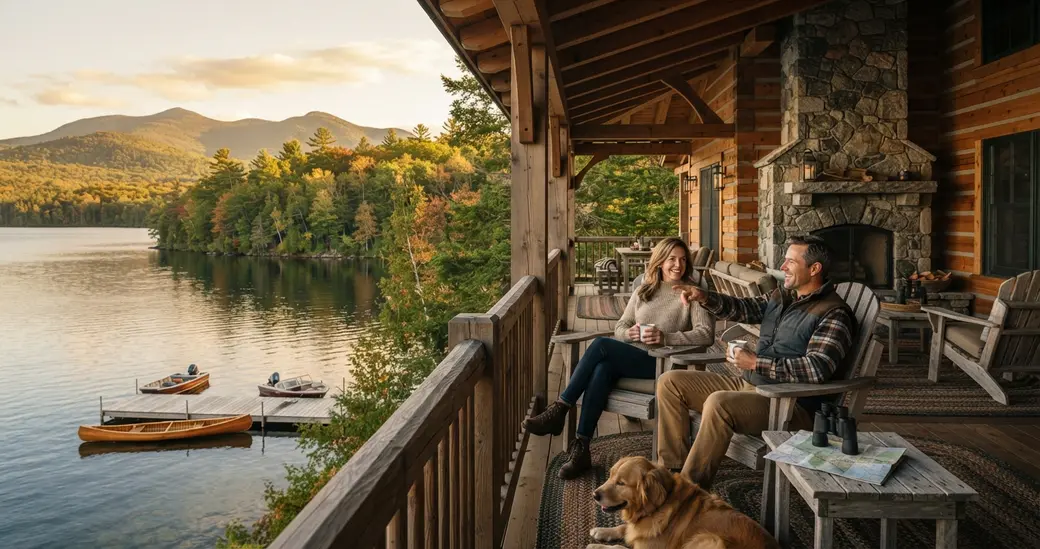
For generations, the Adirondacks have been one of the Northeast's most beloved places to own a second home, a lakeside camp, a mountain cabin, a village getaway a few hours from the city. The appeal is timeless: nature, space, and a slower rhythm waiting whenever you need it. But a second home is also a real financial and practical commitment, and the buyers who love theirs for decades are the ones who went in with their eyes open.
This guide walks through what to know before you buy, from defining your purpose to handling the due diligence a part-time, rural property demands. Consider these the home buying tips that turn a second-home dream into a smart, lasting decision.
First, Define the Home's Purpose
Before you look at a single listing, get clear on what this home is really for, because that answer drives every other decision:
- A pure getaway. If it's purely for your family's enjoyment, prioritize the setting, the lifestyle, and the feeling, and don't over-engineer the investment math.
- An income property. If you plan to rent it when you're not there, the location, property type, and local rules matter enormously (more on that below).
- A future retirement or primary home. If this could become where you live full-time someday, weigh year-round access, services, and comfort now, the way we do in seasonal camp or year-round home: how to decide in the Adirondacks.
Many second homes serve more than one purpose, and that's fine, but ranking your priorities keeps you from buying a beautiful place that doesn't actually fit your life. Our broader look at second homes in Upstate NY as a smart investment or lifestyle play is a good companion as you weigh this.
Plan for the Real Costs
A second home comes with financial realities beyond the purchase price, and knowing them up front keeps the dream grounded:
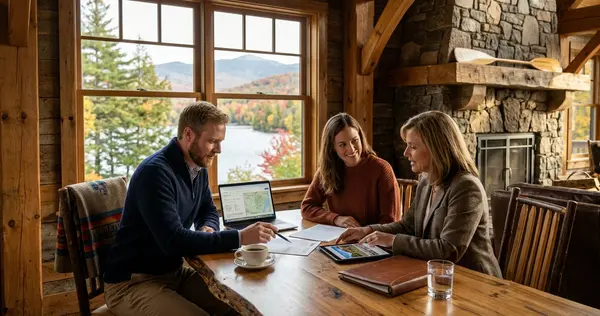
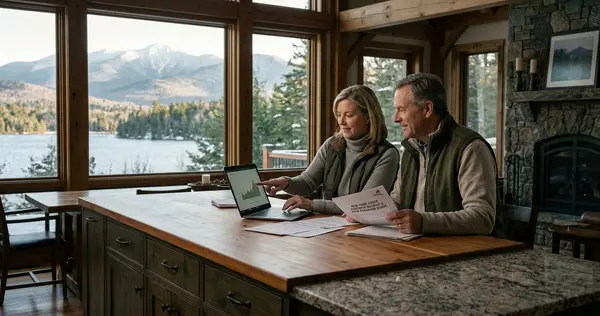
- Financing differs. Lenders treat a second home differently from a primary residence, and an investment property (one you'll rent) differently still, often with different down payment and rate expectations. Talk to a lender early so you know your real numbers. We're a brokerage, not lenders or tax advisors, so confirm the specifics with the right professionals.
- Taxes are their own topic. New York's STAR school-tax relief applies only to a primary residence, so a second home won't receive it, one of several reasons the tax line matters. Confirm the property's actual taxes before you buy.
- Carrying costs run year-round. Even when you're not there, you're paying for heating or winterizing, insurance, maintenance, and upkeep. Two similar-priced homes can cost very different amounts to own, as we break down in why two Adirondack homes with the same price can cost you very different amounts to own.
Fold all of it into your budget so the home is a joy to own, not a strain.
Choose Location and Property Type Wisely
The Adirondacks offer tremendous variety, and the right match depends on how you'll use the home:
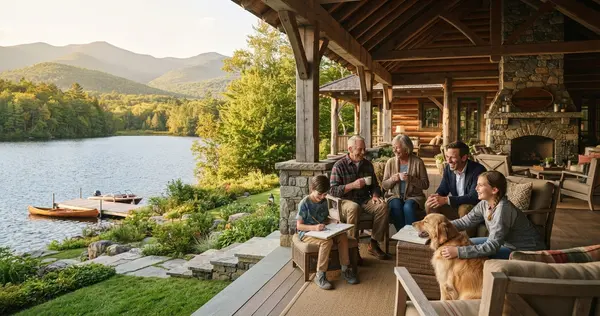
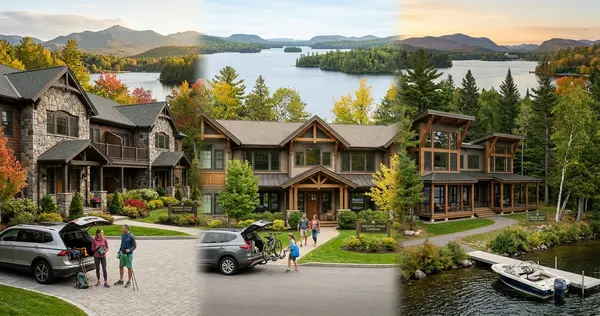
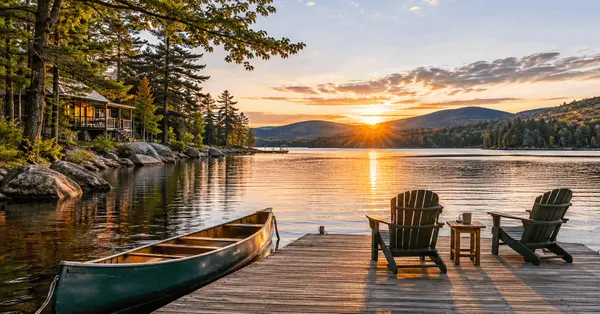
- Waterfront vs. in-town vs. land. A lakeside camp, a walkable village home, and a private wooded retreat are very different lifestyles and investments. If water is the dream, understand what that really involves, our guide to what sellers won't tell you about waterfront living is essential reading.
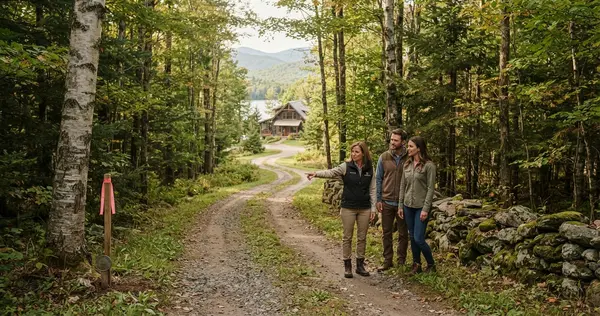
- Access and seasonality. Can you reach the home year-round, or is the road seasonal? Who maintains and plows it? A getaway you can't get to in the off-season is a different asset than one you can.
- Proximity to what you'll use. Think honestly about drive time, nearby towns and services, and how far you're willing to go for groceries or a night out. Being realistic here is how buyers avoid the regret we explore in why some buyers regret purchasing remote mountain property.
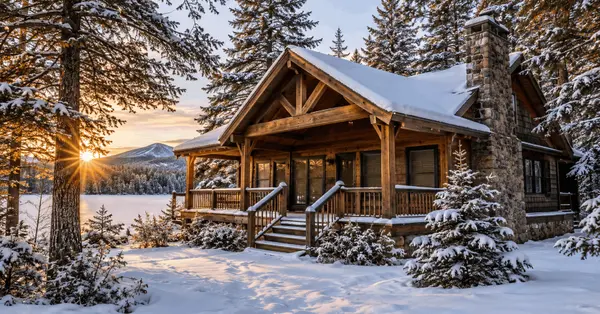
For first-time camp buyers especially, our local's guide to buying your first Adirondack cabin is a helpful next read.
If You Plan to Rent It Out
Many second-home buyers offset costs by renting the property when they're not using it, but this is where you must do your homework, because short-term rental rules vary significantly by community and are actively evolving across the region. Some towns welcome short-term rentals; others limit or restrict them.
The Village of Saranac Lake is one example where the rules are specific. If you're considering a short-term rental there, review the requirements through the Village of Saranac Lake Community Development Department before you assume a property can be rented nightly.
Of note: Local ownership and a permit are required to have an STR in village limits.
Beyond the rules, remember that rental income is never guaranteed, it depends on location, season, and management. Treat projected income conservatively, and weigh whether a property pencils out as an investment, a question we dig into in is a lake house a good investment: what Adirondack buyers need to know. Sound investment advice always starts with confirming what a property is legally allowed to do.
The Extra Due Diligence a Part-Time Home Needs
A rural home you don't occupy full-time carries considerations a primary residence in town does not:
- Well and septic. Most Adirondack homes run on private systems. Budget for dedicated well-water and septic evaluations before you buy.
- Who watches it while you're away. A caretaker, property-watch service, or trusted neighbor is invaluable for a home that sits empty for stretches, especially through the off-season.
- Insurance for a seasonal or vacant home. Coverage for a part-time property can differ from a primary-residence policy; confirm what you need before closing.
- Upkeep from a distance. Factor in how you'll handle maintenance, repairs, and seasonal tasks when you're hours away.
None of this should deter you, it's simply the homework that keeps a second home a pleasure rather than a headache.
How to Decide: A Simple Framework
- Name the purpose. Getaway, income, future home, or an honest ranking of all three.
- Run the full numbers. Financing, taxes, and year-round carrying costs, not just the price.
- Match location and type to your real use. Water, village, or land; year-round or seasonal access.
- Check the rental rules if income is part of the plan, and treat projections conservatively.
- Do the rural due diligence and line up how the home will be cared for while you're away.
Work through those five and you'll know not just that you want a second home here, but exactly which one fits your life.
Frequently Asked Questions
Is buying a second home in the Adirondacks a good investment? It can be, but it depends on your goals and the specific property. Some buyers prioritize lifestyle and treat appreciation as a bonus; others focus on rental income, which varies by location and local rules and is never guaranteed. Run the full costs, confirm what the property can legally do, and decide based on your purpose rather than a blanket assumption.
Can I rent out my Adirondack second home? Often, but not always, and the rules vary by town. Short-term rental regulations differ across the region and are evolving, so confirm the local requirements before you count on rental income. In the Village of Saranac Lake, for example, local ownership and a permit are required to operate a short-term rental within village limits.
What's different about financing a second home? Lenders treat second homes and investment properties differently from primary residences, often with different down payment and rate expectations, and taxes differ too, New York's STAR relief, for instance, applies only to a primary residence. Talk with a lender and a tax professional early so your budget reflects the real numbers.
Make Your Adirondack Second Home a Smart One
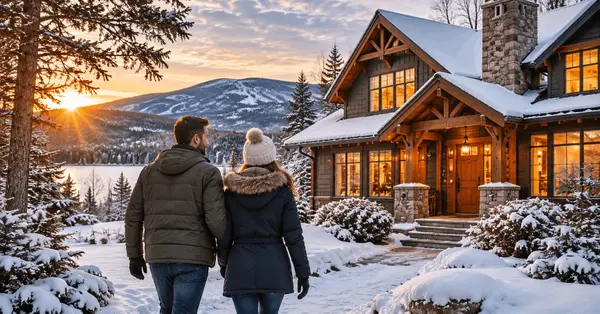
A second home in the Adirondacks can be one of life's great pleasures, a place to gather family, recharge, and maybe one day retire. The buyers who thrive are the ones who start with a clear purpose, plan for the true costs, match the property to how they'll really use it, and do the rural due diligence that protects their investment. Do that, and your getaway becomes exactly what you hoped for.
The team at Tina Leonard Real Estate specializes in second homes, camps, and waterfront retreats across the region, and we help buyers find the right property and navigate every practical detail. Browse current listings, check the Market Snapshot, or reach out to start the search for your Adirondack getaway.
Categories
Recent Posts
OUR MISSION
We're proud to be part of the following global networks of distinguished brokerage companies: