Winterizing an Adirondack Camp: A Shutdown Checklist for Seasonal Owners
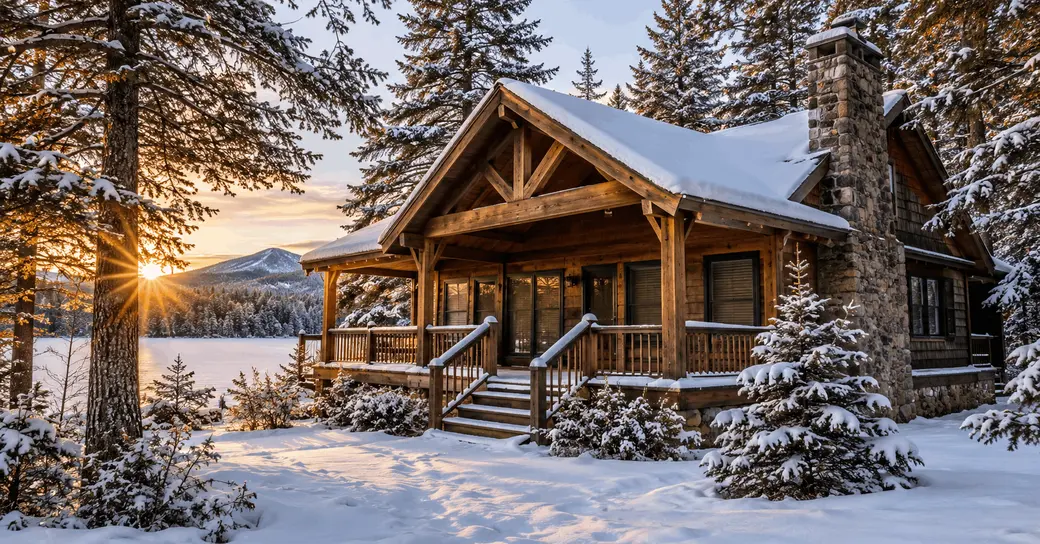
Winterizing an Adirondack Camp: A Shutdown Checklist for Seasonal Owners
How do I winterize an Adirondack camp for the season? Decide first whether you'll leave low heat on or fully drain the plumbing, then work through a shutdown checklist: shut off and drain the water system (or keep heat at 55°F or above), protect traps and the water heater, secure heating and fuel, clear out food and perishables, seal against pests, manage moisture and snow load, and set up someone to check on the camp through winter. Done right, it protects the single biggest risk, frozen, burst pipes.
Closing up a camp for an Adirondack winter is not a casual chore. Between roughly November and April, the North Country delivers deep, sustained cold that can turn a small oversight, one undrained pipe, one open vent, into a flooded, five-figure disaster discovered only at spring thaw. The good news is that winterizing is entirely manageable when you work from a real checklist instead of memory.
This guide is that checklist. Whether your place is a rustic seasonal camp or a comfortable second home you simply don't use in winter, these are the home maintenance steps that protect your investment while you're away. It pairs naturally with our broader month-by-month home maintenance calendar for Adirondack homeowners and our fall cleanup checklist, think of this as the deeper shutdown layer for seasonal owners.
First Decision: Heat On, or Full Drain-Down?
Before any task, choose your overall strategy, because it changes everything else.
Option 1: Leave low heat on. If someone can monitor the camp and you want it closer to ready for a winter visit, you can keep the heat running at a low setting. The American Red Cross advises that when you're away in cold weather you leave the heat on, set no lower than 55°F, and, during extreme cold, let a trickle of water drip from faucets served by exposed pipes. This keeps pipes safer but depends on uninterrupted power and fuel, a risky bet for a remote camp during a multi-day outage unless it's monitored.
Option 2: Fully winterize (drain down). For a true seasonal shutdown, the safest approach in our climate is to remove the water entirely, so there's nothing left to freeze and burst. This is the gold standard for camps that will sit empty and unheated, and most of the checklist below assumes this path.
Many owners combine elements of both, or hire a plumber for the drain-down the first year and learn the routine. There's no shame in professional help here, a burst pipe costs far more than a service call.
The Plumbing Shutdown (The Part That Matters Most)
Water is the number-one threat to a closed camp. Work through this carefully:
- Shut off the main water supply. Close the main valve, and if you're on a well, shut off the pump.
- Drain the entire system. Open every faucet (hot and cold), flush toilets, and open the lowest drain points to let lines empty. Don't forget outdoor spigots, and open the hose bibs so any residual water can escape.
- Drain the water heater. Turn it off first (power or gas), then drain the tank. Leaving water in a heater over winter risks damage.
- Blow out the lines if you can. Using compressed air to clear remaining water from the pipes is the most thorough step, and it's where a plumber's help pays off.
- Protect the traps and toilets. Every drain trap, toilet bowl, and tank holds standing water that can freeze and crack porcelain or fittings. Add non-toxic RV/plumbing antifreeze to toilet bowls and tanks and pour it into sink, tub, shower, and floor-drain traps.
- Don't forget the extras. Dishwashers, washing machines, ice makers, and water-filtration systems all hold water. Drain or protect each one per its manual.
If anything about your specific system is unclear, have a local plumber walk you through it once. The cost of doing this right is trivial next to the cost of getting it wrong.
Heating, Fuel, and Fire Safety
Whether you leave heat on or not, address the heating system before you go:
- If leaving heat on, confirm the furnace or boiler is serviced and reliable, set a safe minimum (55°F or above), and ideally install a low-temperature alarm (more on monitoring below).
- Service the system and chimney. If the camp has a wood stove or fireplace, have the chimney cleaned and inspected. The National Fire Protection Association notes that December, January, and February are the peak months for home heating fires, a real concern if any heat source runs while you're away.
- Handle fuel thoughtfully. Top off or manage propane and oil as appropriate, and make sure tanks and lines are in good shape.
- Test detectors. Replace batteries in smoke and carbon monoxide detectors, or leave them in working order if any combustion appliance remains on.
Appliances, Food, and the Interior
A tidy, emptied interior fares far better over a long winter:
- Clear out all food. Remove everything from cupboards and the fridge/freezer, anything that can freeze, spoil, or attract pests has to go.
- Clean and prop the refrigerator. Empty, clean, unplug, and leave the doors propped open to prevent mold and odor.
- Unplug electronics and small appliances. This protects against power surges and reduces fire risk.
- Deal with liquids that can freeze. Remove or store cleaning products, paints, and canned beverages that will burst when frozen.
- Leave interior doors open. This lets what little air movement exists circulate and helps prevent trapped moisture and mold.
Keeping Critters Out
Empty Adirondack camps are irresistible to mice, squirrels, and other wildlife looking to overwinter. Before you lock up:
- Seal entry points. Inspect the exterior for gaps around pipes, vents, the foundation, and the roofline, and seal them.
- Remove food sources. With all food gone, the camp is far less appealing.
- Set traps or deterrents. Place them thoughtfully, knowing no one will check them for months, and consider professional pest prevention for chronic problems.
- Protect soft materials. Store linens, mattresses, and upholstery in sealed containers where practical.
Moisture, Roof, and Snow Load
The building envelope needs attention too, a theme anyone who has read what it's really like living through Adirondack winters will appreciate:
- Clean the gutters. Clear leaves and debris so meltwater can drain and ice dams are less likely.
- Check the roof. Confirm it's sound and rated for Adirondack snow load, and address any loose shingles before the snow flies.
- Manage humidity. Moisture absorbers or a monitored dehumidifier (if heat and power stay on) help prevent mildew.
- Plan for snow. Arrange plowing for access and, for lower-pitched or vulnerable roofs, a plan for raking or removing heavy snow if needed.
Security and Winter Monitoring
The final layer is knowing what's happening while you're gone:
- Lock up and secure. Windows, doors, and any outbuildings.
- Arrange check-ins. The single best safeguard is a trusted neighbor, caretaker, or property-watch service checking the camp periodically, especially after big storms or deep cold.
- Consider smart monitoring. Where power and connectivity allow, a low-temperature alarm, water-leak sensor, and a simple security or smart-thermostat system can alert you to trouble in time to act.
- Confirm your insurance. Review your coverage before you leave, since some policies have requirements for vacant or seasonal properties. It's a perfect moment to revisit the questions in our guide to home insurance questions every Adirondack property owner should ask.
The Quick Shutdown Checklist
For fast reference, before you lock the door:
- Choose your strategy: low heat (55°F or above, monitored) or full drain-down.
- Shut off water; drain all lines, the water heater, and outdoor spigots.
- Antifreeze in every trap, toilet bowl, and tank; drain appliances that hold water.
- Service heating and chimney; set a safe minimum temp or shut down safely; test detectors.
- Remove all food; clean and prop the fridge; unplug electronics.
- Seal pest entry points and set deterrents.
- Clean gutters, check the roof, manage moisture, arrange plowing.
- Lock up, arrange check-ins, add monitoring, confirm insurance.
Tape a copy inside a cabinet so next year's shutdown is even easier.
Frequently Asked Questions
Should I leave the heat on in my Adirondack camp over winter? You can, but only if it's reliable and monitored. The Red Cross recommends keeping the heat no lower than 55°F when you're away in cold weather. The risk is a multi-day power or fuel outage at a remote camp, which can let pipes freeze anyway, so many seasonal owners choose to fully drain the plumbing instead.
Do I really need to put antifreeze in the drains? Yes, if you're draining the system. Even after you drain the lines, every trap, toilet bowl, and tank holds standing water that can freeze and crack. Non-toxic RV/plumbing antifreeze in those fixtures is cheap insurance against expensive damage.
Is it worth hiring a professional to winterize? For many owners, absolutely, especially for blowing out the water lines and draining the water heater correctly the first time. A service call costs a fraction of repairing a burst pipe and the water damage that follows, and you can learn the routine by watching once.
Close Up With Confidence
An Adirondack camp is a joy, and protecting it over the winter is simply part of owning one. Work from a checklist, respect the plumbing above all, and set up eyes on the place while you're away, and you can lock the door in November knowing you'll return in spring to the camp exactly as you left it.
The team at Tina Leonard Real Estate works with seasonal and second-home owners across the region and is always glad to point you toward trusted local plumbers, caretakers, and property-watch services. If you're weighing whether a seasonal camp or a year-round home fits you best, our guide on how to decide is a good next read, and you can always reach out with questions about owning, buying, or caring for an Adirondack property.
Categories
Recent Posts





OUR MISSION
We're proud to be part of the following global networks of distinguished brokerage companies: