Fall Cleanup Checklist for Adirondack Homeowners: What to Do Before Winter Arrives
Fall Cleanup Checklist for Adirondack Homeowners: What to Do Before Winter Arrives
How do I get my Adirondack home ready for winter? Get your Adirondack home ready for winter by clearing gutters and inspecting the roof, servicing your heating system and testing carbon monoxide detectors, draining and insulating pipes, sealing air leaks, and preparing for snow, ideally finished before the first hard freeze.
Here in the Adirondacks, winter does not ease in politely. One week you are raking leaves in shirtsleeves, and the next you are scraping frost off the windshield in the dark. A long, cold North Country winter rewards the homeowner who prepares early, and punishes the one who waits. A weekend of fall cleanup now can prevent frozen pipes, ice dams, heating failures, and expensive surprises when the temperature drops.
This checklist from Tina Leonard Real Estate is built for real Adirondack conditions, drawing on years of helping owners protect homes across the High Peaks and Champlain Valley. Work through it before the first hard freeze, and you will head into winter with far more peace of mind.
1. Exterior, Roof, and Gutters
Your home's first line of defense against Adirondack winter is the shell around it. Start outside.
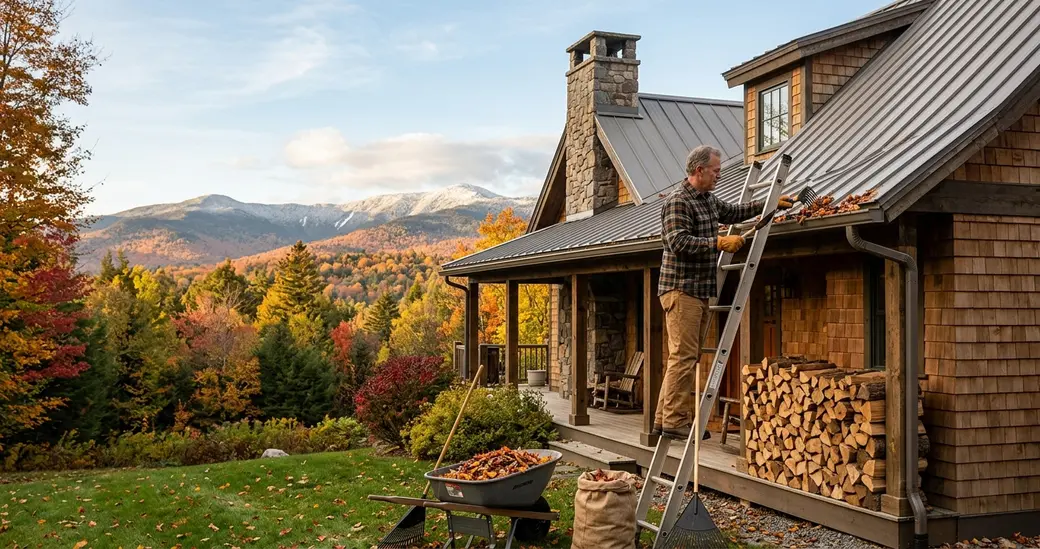
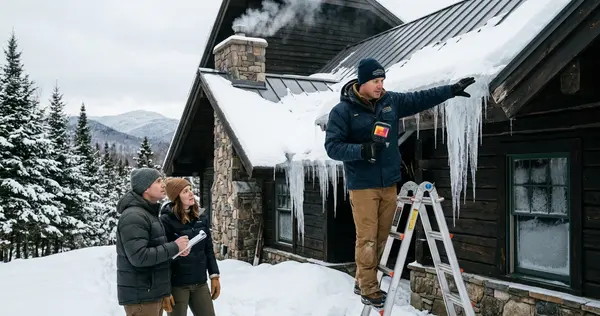
- Clean gutters and downspouts so melting snow can drain instead of backing up and forming ice dams.
- Inspect the roof for loose, cracked, or missing shingles, and address them before snow load arrives.
- Have the chimney inspected and cleaned if you burn wood, creosote buildup is a leading cause of chimney fires.
- Trim dead or overhanging branches that could snap under snow and ice.
- Seal gaps and cracks around the foundation, trim, and where pipes or wires enter the house to keep out cold air and rodents looking for a warm winter home.
2. Heating System and Safety
Your heating system is about to do the hardest work of the year. The NFPA notes that the peak months for home heating fires are December, January, and February, so service and safety come first.
- Schedule a professional service for your furnace, boiler, or heat pump before you need it.
- Replace furnace filters, and stock up on spares for the season.
- If you heat with wood or pellets, clean the stove and flue and lay in dry, seasoned firewood.
- Test every smoke and carbon monoxide detector, and replace batteries. This is not optional in a tightly sealed, heated home.
- Keep anything flammable at least three feet from space heaters and fireplaces, and never use an oven or stove to heat your home, as the American Red Cross warns.
3. Plumbing and Water
Frozen and burst pipes are among the most common, and most expensive, Adirondack winter disasters. A little prevention goes a long way.
- Disconnect, drain, and store garden hoses, and shut off and drain outdoor spigots.
- Insulate exposed pipes in unheated spaces like crawl spaces, basements, and garages.
- Make sure everyone in the household knows where the main water shutoff is, in case a pipe does freeze or burst.
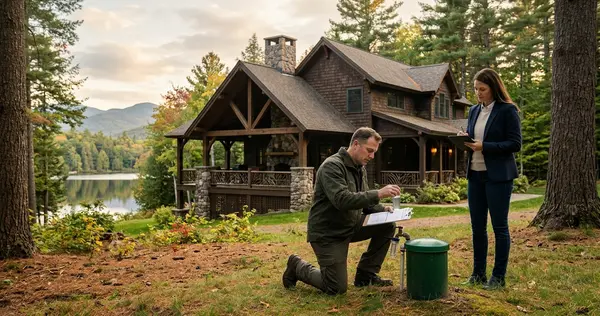
- If you have a well, confirm the pump housing and lines are protected; if you are on septic, avoid overloading the system before the ground freezes.
- On the coldest nights, let a faucet drip and open cabinet doors to let warm air reach the pipes, the Red Cross recommends these simple steps to prevent freezing.
4. Weatherization and Energy Efficiency
Heating a home through an Adirondack winter is not cheap, so sealing in the warmth pays off all season. The U.S. Department of Energy's Energy Saver program is a great resource for weatherization and efficiency.
- Seal air leaks around windows and doors with caulk and weatherstripping.
- Add or check insulation in the attic and around the rim joist, where heat commonly escapes.
- Reverse ceiling fans to clockwise on low to push warm air back down.
- Consider a programmable or smart thermostat to manage heat efficiently, especially if you travel.
- If you are unsure where your home is losing energy, a professional home energy audit can pinpoint the biggest opportunities.
5. Yard, Driveway, and Snow Readiness
When the snow comes, you want to be ready, not scrambling.
- Store or cover outdoor furniture, grills, and garden tools.
- Line up your snow removal plan now, whether that means a serviced snowblower, a plowing contractor, or a well-stocked supply of shovels and ice melt.
- Mark driveway edges and hydrants with stakes so they are visible under deep snow.
- Service your generator and store fuel safely, and remember to run generators outdoors, away from windows, to avoid carbon monoxide.
- Keep a winter emergency kit on hand with warm layers, water, flashlights, and a first aid kit.
6. A Special Note for Seasonal and Second-Home Owners
The Adirondacks are full of camps and second homes that sit empty through the cold months. Closing one up properly is its own project.
- Shut off and fully drain the water system, and add non-toxic antifreeze to drain traps to prevent cracking.
- Set the heat to a safe minimum or winterize completely, depending on how the home is built.
- Arrange for someone local to check on the property after big storms.
- Consider a remote temperature and water-leak monitor so you get an alert before a small problem becomes a flood.
What This Means If You're Buying or Selling This Fall
A well-maintained home is not just more comfortable, it holds its value. If you are shopping this season, a few home buying tips apply: pay close attention to a home's winter systems, from the age of the furnace to the condition of the roof and the way the pipes are protected, because those details shape both your comfort and your costs.
For sellers, completing this checklist before listing signals that a home has been cared for, which matters in a region where buyers know winter is real. And whether you are weighing local market trends for a primary move or looking for sound investment advice on a seasonal property, a home that is genuinely winter-ready is a stronger asset year after year.
Frequently Asked Questions
When should I winterize my home in the Adirondacks? Aim to finish major fall cleanup and winterizing before the first hard freeze, typically by mid-to-late fall in the High Peaks region. Heating service, roof and gutter work, and outdoor plumbing should be done while the weather still cooperates, so you are not caught off guard by an early cold snap.
What is the most important fall task for an Adirondack home? It is hard to beat two: servicing your heating system and protecting your pipes. Both prevent the most common and costly winter failures. Testing carbon monoxide detectors is a close and critical third in any home that will be heated and sealed all winter.
How do I protect a second home or camp that sits empty all winter? Drain the water system and add non-toxic antifreeze to traps, set heat to a safe minimum or winterize fully, and arrange local checks after storms. A remote temperature and leak monitor is inexpensive insurance against a burst pipe going unnoticed.
Ready for Whatever Winter Brings
A weekend of fall preparation is one of the best investments an Adirondack homeowner can make. Work through this checklist, and you will spend the winter enjoying the snow instead of worrying about it.
And if this season has you thinking about a change, a more manageable home, a year-round property, or a camp of your own, Tina Leonard Real Estate is here to help. Explore listings and reach out for personalized advice at tinaleonardrealestate.com. Stay warm out there.
Categories
Recent Posts




OUR MISSION
We're proud to be part of the following global networks of distinguished brokerage companies: