
What It’s Really Like Living Through Adirondack Winters
What It’s Really Like Living Through Adirondack Winters
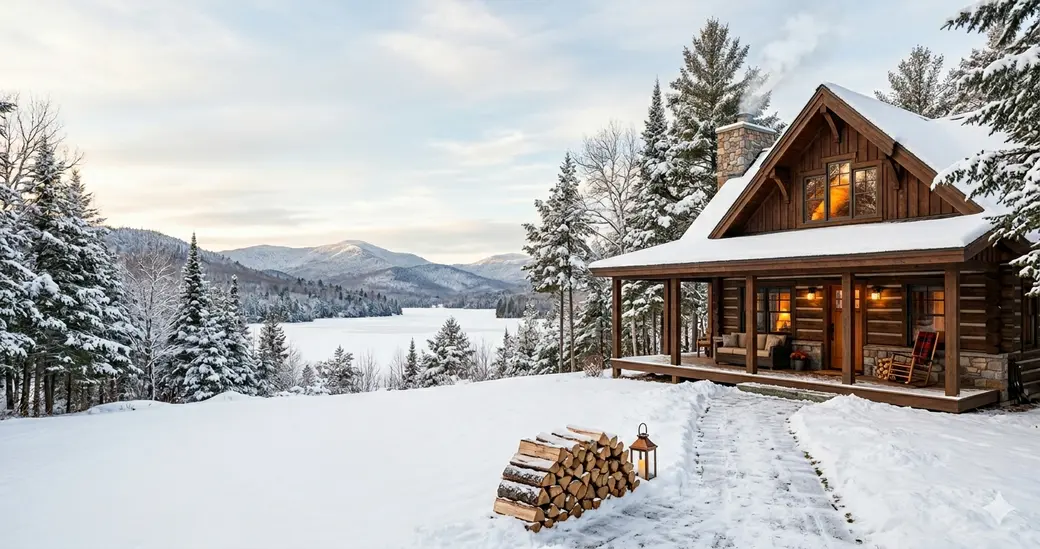
Winter in the Adirondacks is not a rumor. It arrives early, stays long, and makes itself very much at home. By the time November rolls around, the High Peaks are already dusted white, fireplace smoke curls above the rooftops of Lake Placid, and locals are pulling snow tires out of the garage. If you're exploring Adirondack real estate, whether as a primary residence, a vacation retreat, or a long-term investment, understanding what winter actually looks like here isn't just useful. It's essential.
The good news? For the right buyer, Adirondack winters are one of the region's greatest selling points. Here's an honest, insider look at what you can expect, and the home buying tips, market trends, and investment advice that will help you make a smart, well-informed decision.
What "Adirondack Winter" Actually Means
The Adirondack Park spans roughly six million acres of northern New York, and winter conditions vary considerably depending on where exactly you're looking to buy. The Lake Placid and Whiteface Mountain corridor, including communities like Wilmington, Keene, and Keene Valley, sits at higher elevation and experiences some of the most dramatic winter weather in the Northeast.
Average snowfall in the Lake Placid area runs between 150 and 200 inches per season, with higher totals on the slopes around Whiteface. Temperatures routinely dip below zero in January and February, and wind chill can make it feel significantly colder. The snow season typically runs from late November through March, and in some years, lingering snowpack persists well into April.
That said, this is precisely the kind of winter that draws people here. According to the Adirondack Regional Tourism Council, the park receives millions of visitors annually, and a significant share of that traffic happens in winter, drawn by world-class skiing, Nordic trails, snowshoeing, ice climbing, and the kinds of frozen landscapes that can't be manufactured or replicated.
The Lifestyle Is the Selling Point
For prospective buyers evaluating home buying tips, one piece of advice stands above the rest: buy the lifestyle, not just the property. In the Adirondacks, that lifestyle in winter is richly layered and genuinely unlike anything you'll find in a suburban or urban setting.
Skiing and Winter Recreation at Your Doorstep
Whiteface Mountain, just minutes from Lake Placid, is one of the premier ski destinations in the eastern United States. It hosted the alpine events at the 1980 Winter Olympics and continues to draw competitive skiers and casual weekend warriors alike. Proximity to Whiteface is a significant value driver in the real estate market, homes and condos within a short drive of the mountain tend to hold their value exceptionally well and generate strong short-term rental income during ski season.
Nordic skiing and snowshoeing trails wind through the state land surrounding nearly every community in the park. The Jackrabbit Trail, a 35-mile groomed cross-country ski corridor connecting Keene to Paul Smiths, passes through some of the most spectacular terrain in the Northeast. Residents with trail access from their properties consider it a major quality-of-life asset.
A Community That Leans Into the Season
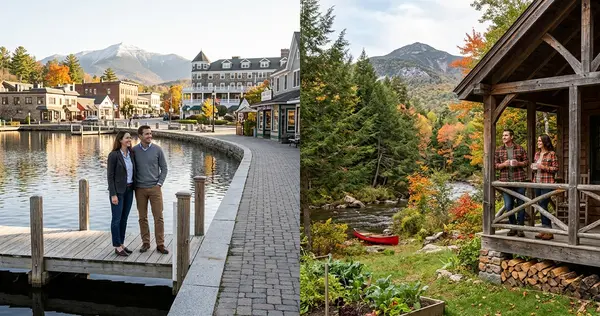
One of the things that surprises many people who relocate to the Adirondacks is how socially alive the region remains through winter. Lake Placid's Main Street stays vibrant year-round. Local restaurants, breweries, and shops serve a loyal base of year-round residents alongside a steady flow of winter visitors. Community events, from the Lake Placid Winter Festival to the annual Ice Harvest at the Lake Placid Olympic Museum, give the season a festive, engaged quality that keeps cabin fever at bay.
For families with children, this matters enormously. School communities in the Adirondacks tend to be tight-knit, and kids grow up skiing, skating, and building snow forts rather than staring at screens. That's a lifestyle calculation many parents find deeply compelling. The Adirondack Experience, the region's premier museum of Adirondack history and culture, also runs winter programming that connects families to the stories and traditions that make this place unlike anywhere else.
Practical Realities: What You Need to Know Before You Buy
Good investment advice in any market includes understanding the full carrying cost of ownership, and in the Adirondacks, winter introduces variables that buyers from warmer climates may not have fully considered.
Heating Costs and System Quality
Heating is the single biggest operational consideration for Adirondack homeowners. Propane, fuel oil, wood pellets, and electric heat pump systems are all in use throughout the region, and annual heating costs can vary widely depending on the home's construction, insulation quality, and the efficiency of the installed system.
When evaluating a property, always ask for prior-year heating cost records, and have a licensed HVAC professional assess the system. Homes with modern insulation, updated windows, and energy-efficient heating will cost meaningfully less to operate and should command attention during your home buying process. The U.S. Department of Energy's Home Energy Score program can provide a standardized assessment of a home's energy efficiency, a valuable tool for comparison shopping across multiple properties.
Snow Removal and Driveway Access
Long driveways, common on larger Adirondack parcels, require consistent snow removal to remain safe and passable. Many homeowners contract with local plowing services; others invest in ATVs or tractors with snow blades. If you're purchasing a property with a steep or extended driveway, factor in both the cost and the logistics of keeping it clear.
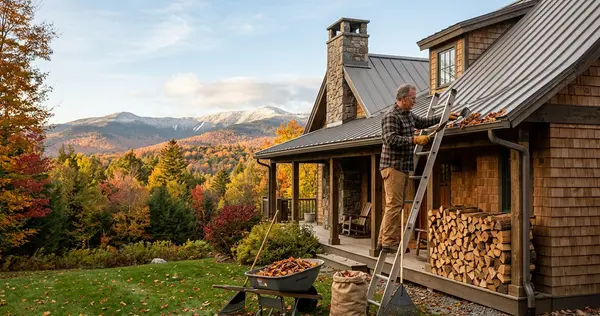
Roof load is also a real consideration. Properly built Adirondack homes are designed with pitched roofs that shed snow effectively, but older structures or outbuildings may need attention. A thorough home inspection in this region should specifically address roof structure, flashing, and any signs of previous ice dam damage.
Water Systems and Freeze Risk
Many properties in the Adirondacks rely on private wells and septic systems rather than municipal infrastructure. These systems function reliably when properly installed and maintained, but buyers should understand how the well casing is protected against frost, whether pipes are adequately insulated in unconditioned spaces, and whether the home has been winterized historically (which can impact your ability to inspect plumbing in off-season purchases). The New York State Department of Environmental Conservation maintains detailed guidance on well and water system standards applicable throughout the Adirondack Park.
For seasonal or vacation properties, winterization and de-winterization become annual rituals, or, alternatively, an investment in freeze-protected systems and heated line protection allows for year-round habitation without worry.
Market Trends: Winter Is No Longer the Off-Season
One of the most important market trends to understand in Adirondack real estate is the significant shift in buyer seasonality over the past several years. Historically, real estate activity in the region peaked in spring and summer, with winter seen as a quieter period for transactions. That dynamic has changed substantially.
The rise of remote work has transformed how buyers think about primary and secondary residences. According to the National Association of Realtors, rural and resort communities nationwide have seen sustained demand from buyers who are no longer tethered to a specific metropolitan area. The Adirondacks have benefited significantly from this trend, with buyers from New York City, Boston, and Montreal discovering that they can live full-time in the mountains while remaining professionally productive.
This has compressed the traditional seasonal discount that once made winter buying advantageous for bargain hunters. Inventory remains limited across most Adirondack communities, and well-maintained, well-located properties move quickly in any season. That said, buyers who are willing to purchase in winter do have certain advantages: less competition from casual buyers, sellers who may be more motivated to transact, and the ability to evaluate a property under the most demanding conditions it will ever face.
If the roof doesn't leak, the heating system runs efficiently, and the driveway stays manageable in a heavy snow year, you can buy with genuine confidence.
Investment Advice: The Short-Term Rental Opportunity
For buyers approaching Adirondack real estate with an investment lens, winter is arguably the most financially valuable season on the calendar. Properties near Whiteface Mountain generate some of their strongest short-term rental revenue during ski season, when demand from weekend skiers and holiday travelers drives both occupancy and nightly rates.
Platforms like Airbnb and VRBO have made it straightforward for property owners to self-manage rentals, and a well-positioned chalet, cabin, or condo can generate meaningful income between December and March. When evaluating a potential investment property, request documentation of historical rental performance if available, and research comparable listings in the immediate area to build a realistic income projection. Investopedia's guide to real estate investment offers a solid primer on evaluating cash flow and cap rate, metrics worth understanding before making any income-property purchase.
It's worth noting that the Adirondack Park Agency and local municipalities have varying regulations around short-term rentals. Before purchasing with a rental strategy in mind, confirm the applicable rules for the specific parcel you're considering. The Adirondack Park Agency is the authoritative resource on land use regulations within the park's blue-line boundary.
What Experienced Adirondack Homeowners Want You to Know
We've worked with buyers and sellers across the Adirondack region for years, and the most consistent piece of feedback from happy year-round residents comes down to one thing: they didn't fully appreciate how much they'd love it until they lived through their first winter here.
The combination of physical beauty, the way fresh snow transforms the High Peaks, the otherworldly stillness of a frozen lake at dawn, the amber warmth of a fire after a day on the mountain, and the social warmth of a tight community creates something that's genuinely hard to find. People who relocate here for the summers often find that winter becomes their favorite season within a year or two.
That's not a marketing copy. That's what people tell us when we run into them at the grocery store in February.
Key Home Buying Tips for Adirondack Winter Purchasers
Before you make an offer on a property in this region, keep these actionable guidelines in mind:
- Inspect in season when possible. Seeing a home in winter conditions reveals things that spring or summer visits simply cannot. Check how the heating system performs, how the driveway manages snow, and whether there are any signs of ice dam formation along the eaves.
- Ask about winterization history. For seasonal properties, understand what the winterization protocol has been, who has maintained the home during vacancy, and whether any pipe damage has occurred historically.
- Evaluate the heating system closely. Age, fuel type, efficiency rating, and maintenance records are all relevant. Budget for replacement if the system is aging.
- Understand your road. Private roads in the Adirondacks require shared maintenance agreements among abutting property owners. Confirm the road is plowed and maintained, and understand your responsibility and cost share.
- Assess insulation and window quality. Older homes in the region may have inadequate insulation by modern standards. A thermal inspection or energy audit can reveal hidden inefficiencies before they become your expense.
- Research the local rental market. If investment income is part of your plan, talk to local property managers and review active listings on short-term rental platforms to ground your projections in reality. Adirondack.net is also a useful regional resource for understanding community character, local services, and what draws visitors to specific areas, context that directly informs rental demand.
Ready to Find Your Place in the Adirondacks?
Whether you're dreaming of ski-in access to Whiteface, a lakeside retreat that transforms into a winter wonderland, or a year-round home in one of the Adirondacks' most charming small communities, Tina Leonard Real Estate is here to guide you every step of the way.
We know this region deeply, not just the listings, but the roads, the neighborhoods, the seasonal rhythms, and the practical realities of ownership in a place that takes winter seriously. That knowledge makes a real difference when you're making one of the most significant investments of your life.
Explore our current listings, or reach out directly to start a conversation about what you're looking for. Whether you're ready to move quickly or just beginning to explore your options, there's no obligation, just honest, expert guidance from people who genuinely love this place.
Categories
Recent Posts



"My job is to find and attract mastery-based agents to the office, protect the culture, and make sure everyone is happy! "