Well and Septic Systems: What to Test Before Buying an Adirondack Home
Well and Septic Systems: What to Test Before Buying an Adirondack Home
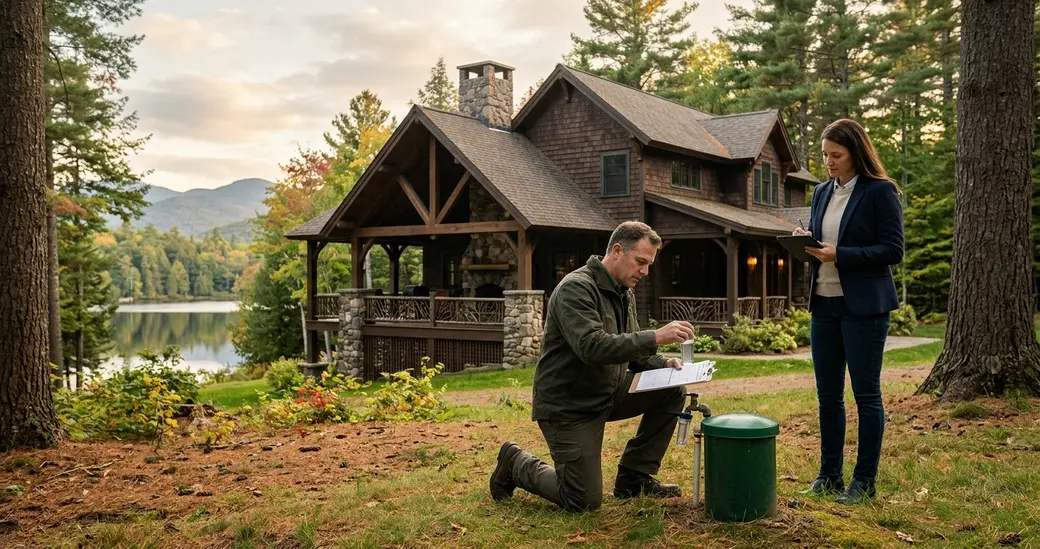
What should you test on a private well and septic system before buying an Adirondack home? At a minimum, test the well water for coliform bacteria, E. coli, nitrate, and pH, add arsenic and lead where local geology warrants, and have the septic tank and leach field inspected (not just pumped) by a qualified professional. These are private systems no municipality maintains for you, so the inspection, not the listing sheet, is where the truth lives.
In much of the Adirondacks, the house does not connect to a city water main or a municipal sewer. It runs on a private well drawing from groundwater and a septic system handling everything that goes down the drain. For buyers coming from a suburb or a city, that is a genuine shift: no water bill, no sewer district, and, critically, no utility quietly standing behind the safety and function of either system. That responsibility transfers to you at closing.
That is not a reason to shy away from rural property. Millions of homes run beautifully on wells and septic for decades. But it does mean the water-and-waste side of the home deserves the same scrutiny you would give the roof or the foundation. These are the home buying tips experienced North Country buyers lean on so a well and septic system become a known quantity instead of a post-closing surprise.
Why Wells and Septic Deserve Their Own Due Diligence
A standard home inspection is broad but shallow by design. Most general inspectors do not test water quality and do not open and evaluate a septic system, those are specialized evaluations you arrange separately. The U.S. Environmental Protection Agency is blunt about where the responsibility sits: as its private wells guidance explains, federal law and most state laws do not regulate private well water quality, so "private well owners are responsible for delivering safe drinking water to their households." No one is testing it for you unless you ask.
The same logic applies to septic. A system can look invisible and fine from the yard while the tank is near failure or the leach field is saturated. The EPA's SepticSmart program frames maintenance as both a health issue and a property-value issue, a failed system is one of the more expensive repairs a rural homeowner can face, and it is exactly the kind of hidden cost our post on why the cheapest cabin often becomes the most expensive purchase warns buyers about. Knowing the condition before you own it is the entire point.
What to Test on the Well
Water that looks clear and tastes fine can still carry contaminants you cannot see, smell, or taste. A proper pre-purchase water test is inexpensive relative to the stakes. The EPA's Protect Your Home's Water guidance recommends routine testing for a core panel, and more targeted testing based on the property's surroundings. For an Adirondack purchase, prioritize:
- Coliform bacteria and E. coli. These are the primary indicators that surface contamination or a compromised well may be letting pathogens in. The New York State Department of Health's page on coliform bacteria in drinking water recommends that well owners test at least once a year, and a purchase is the ideal moment to establish that baseline.
- Nitrate. Elevated nitrate can signal influence from a nearby septic system or agricultural activity and is a specific health concern for infants.
- pH and total dissolved solids. Acidic or mineral-heavy water is common in the region and can corrode plumbing or leave a home needing treatment equipment you will want to budget for.
- Arsenic, lead, and radon in water where warranted. Parts of the Northeast have naturally occurring arsenic in bedrock, and older plumbing can contribute lead. Ask your lab and a local inspector whether your specific area calls for these add-ons.
Beyond chemistry, evaluate the well itself: its type and depth, the age and condition of the pump and pressure tank, and whether it delivers adequate flow and recovery for the household. A low-yielding well is a livability issue a water test alone will not catch. New York's drinking water program and its directory of certified labs are the authoritative starting points for testing and interpreting results in the state.
What to Check on the Septic System
A septic inspection is more than a pump-out. A thorough evaluation locates and opens the tank, checks sludge and scum levels, examines the baffles, and assesses whether the drain field (leach field) is accepting and dispersing effluent the way it should. Ask specifically about:
- System type, size, and age. A tank sized for a two-bedroom cottage may be undersized for the four-bedroom use you are planning. Match the system to how you intend to live in the home.
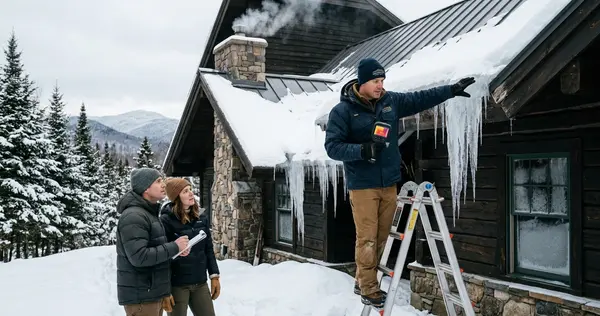
- Drain field condition. Soggy ground, lush green strips, or odors over the field can indicate a system at or past capacity. Frozen or snow-covered ground can hide these signs, which is one reason winter purchases deserve extra care, a theme we cover in what most buyers don't realize about winter home inspections.
- Records and permits. Ask for the installation permit, pumping history, and any repair records. A well-documented system that has been pumped on schedule is a reassuring sign; a complete absence of records is a reason to inspect more deeply, not less.
- Setback from the well. The well and the septic system have to coexist at a safe distance. A septic field too close to a water supply is a contamination risk worth confirming before you buy, not after.
The EPA's SepticSmart resources are a plain-English primer on how these systems work and what healthy maintenance looks like, which makes them useful reading before you walk a property.
Adirondack-Specific Realities
Rural North Country parcels add wrinkles a suburban buyer may not anticipate. Shallow bedrock and thin soils can limit how a septic system is designed and where it can go, which matters enormously on land and new-build purchases, the same groundwork we walk through in buying land in the Adirondacks: read this before you make an offer and the 12 questions most land buyers forget to ask. Seasonal camps that sit empty for months can develop stagnant water in the lines and need the system exercised and retested before full-time use. And proximity to lakes, streams, and wetlands, a huge part of the region's appeal, brings environmental sensitivity that the New York State Department of Environmental Conservation factors into what is permitted near water.
None of this is a dealbreaker. It is simply the reason local knowledge earns its keep here: two homes at the same price can carry very different water-and-waste realities, which is exactly the kind of ownership-cost gap we unpack in why two Adirondack homes with the same price can cost you very different amounts to own.
How to Protect Yourself: A Buyer's Checklist
Sound investment advice on any rural home starts with turning unknowns into documented facts before closing:
- Order separate well-water and septic evaluations. Treat them as essential, not optional, and schedule them early enough to act on the results.
- Test the water to a real panel. Coliform/E. coli, nitrate, pH, and local add-ons like arsenic, through a New York certified lab.
- Insist on a full septic inspection. Tank opened, field assessed, records reviewed, not just a pump-out receipt.
- Build contingencies into the offer. Make the purchase contingent on acceptable results, and negotiate repairs, replacement, or a price adjustment if problems surface.
- Budget for treatment and upkeep. Even a healthy system has a maintenance rhythm. Factor pumping, filters, or treatment equipment into your true cost of ownership, the surprises we flag in the biggest closing-day surprises and how to avoid them often trace back to skipped due diligence here.
Handle those five steps and the well and septic stop being a mystery. You will know what you are buying, what it will cost to keep, and whether the number on the listing truly reflects the home.
Frequently Asked Questions
Does a standard home inspection cover the well and septic? Usually not. Most general home inspections do not include water-quality testing or a full septic evaluation. These are specialized inspections you arrange and pay for separately, and on a rural Adirondack property they are among the most important checks you can make.
How often should private well water be tested after I buy? The New York State Department of Health recommends testing a private well for coliform bacteria at least once a year, and more often if you have had contamination before or notice a change in taste, color, or odor. Retest promptly after flooding, well repairs, or nearby land disturbance.
What does it cost if a septic system fails? It varies widely with system type, soil, and site, but a full drain-field replacement is one of the larger repairs a rural homeowner can face, frequently many thousands of dollars. That is precisely why inspecting the system before closing, when you still have negotiating leverage, matters so much.
Buy With Confidence, Not Assumptions
A private well and septic system are not something to fear, they are something to verify. Done right, the testing and inspection give you a clear, documented picture of the home's most important hidden systems before you ever sign, and they protect both your health and your investment.
The team at Tina Leonard Real Estate helps Adirondack buyers line up the right well and septic professionals, read the results with local context, and structure offers that keep you protected. Browse current listings or reach out for guidance on a specific property, and buy with confidence, not assumptions, no matter how rural the parcel.
Categories
Recent Posts






OUR MISSION
We're proud to be part of the following global networks of distinguished brokerage companies: