
Why the Cheapest Cabin Often Becomes the Most Expensive Purchase
Why the Cheapest Cabin Often Becomes the Most Expensive Purchase
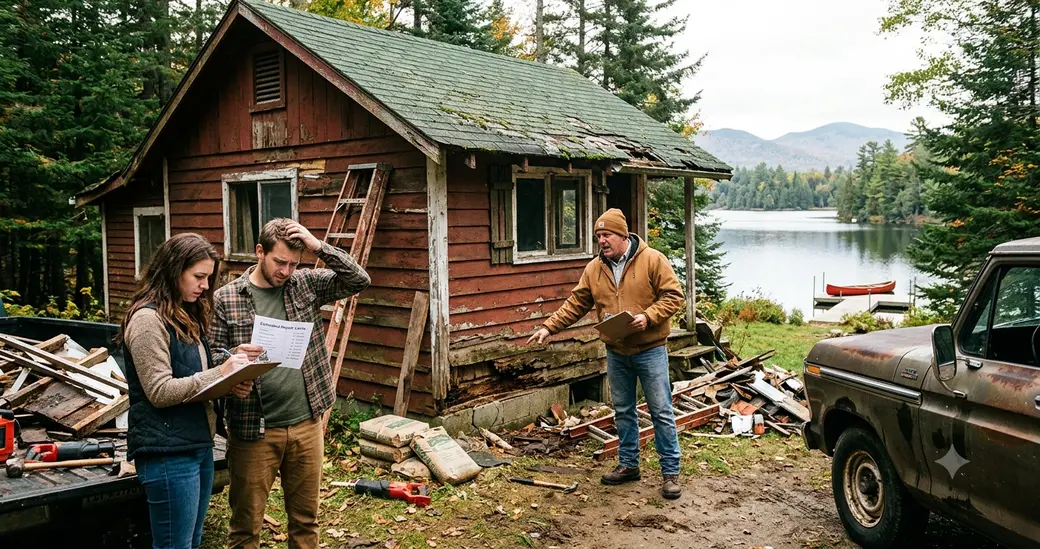
Why does the cheapest cabin in the Adirondacks often turn into the most expensive purchase? Because a low sticker price rarely reflects the true cost of ownership, wells, septic systems, road access, and Adirondack Park regulations can add tens of thousands of dollars after you close.
You are scrolling listings late one night and there it is: a weathered cabin on a few wooded acres outside Saranac Lake, priced well below anything else in the Adirondack Park. It feels like the deal of a lifetime. And sometimes it is. But often, that irresistible number on the listing is only the down payment on a much larger conversation, one that happens after the sale, when the well runs dry in August or the septic inspection comes back with bad news.
This post is not here to talk you out of buying a cabin. Quite the opposite. Some of the best long-term values in the North Country start as fixer-uppers with rough edges. The goal is to help you see the full picture before you fall in love, so the cabin you buy stays a smart purchase and never becomes a cautionary tale. Consider these the home buying tips we wish every first-time cabin shopper heard before they made an offer.
Below, we break down where the real money hides, why the lowest-priced listings so frequently carry the highest hidden costs, and how to protect yourself with a few disciplined steps.
The "Steal" That Isn't: Sticker Price vs. True Cost of Ownership
The single biggest mistake buyers make with rural Adirondack property is confusing purchase price with cost of ownership. In a dense suburban market, those two numbers stay fairly close together. On a remote lot in Essex County or Franklin County, they can diverge dramatically.
A cabin listed at a bargain price is often cheap for a reason the seller already knows and you have not discovered yet. Deferred maintenance, an aging septic system, a shallow or failing well, questionable road access, or building limitations under Adirondack Park Agency rules can each quietly represent tens of thousands of dollars. Stack two or three of them together and the "cheap" cabin becomes the most expensive property you have ever owned per usable square foot.
Sound investment advice starts with a simple habit: for every listing, estimate the purchase price plus the realistic cost to make the property function the way you actually want to use it. That second number is where deals are won or lost.
Rural Systems: Where the Real Money Hides
Municipal water and sewer are conveniences most buyers take for granted until they buy a place that has neither. In much of the Adirondack region, a cabin runs on its own private systems, and those systems are the most common source of expensive surprises.
Wells and Water
A private well is a mechanical system with a finite lifespan. Shallow dug wells can go dry in a droughty summer; older drilled wells can suffer failing pumps, dropping yields, or water quality problems. Before you buy, you want a flow-rate test and a water-quality test, not just a note in the listing that says "well on property." A replacement well and pump can easily run five figures depending on depth and terrain.
The U.S. Environmental Protection Agency maintains a plain-English guide to owning and maintaining a private well that every rural buyer should read; you can find it at the EPA's private wells resource. Understanding what you are inheriting is the difference between a manageable annual expense and a mid-summer emergency.
Septic Systems
Septic is the silent budget-killer of rural real estate. A conventional system that has been well maintained can last decades; a neglected or undersized one on a difficult site can require a full replacement, and in wet or high-water-table locations near a lake, engineered systems cost considerably more than a standard install. Always insist on a septic inspection and, ideally, records of the last pump-out.
The EPA's SepticSmart homeowner resources explain how these systems work and what failure looks like. If a listing is priced suspiciously low and the septic records are vague, treat that as a signal, not a footnote.
Off-Grid, Seasonal, and Heating Realities
Many of the lowest-priced camps are seasonal by design, no insulation, no year-round water, no reliable heat. Converting a summer camp into a four-season home is a genuine renovation, not a weekend project. Ask hard questions about how the cabin is heated, whether the plumbing can be winterized, and what it would truly cost to make it livable in a Tupper Lake January. These are the market trends driving demand for turnkey four-season cabins, and the reason bargain seasonal camps sit longer and sell cheaper.
Access, Roads, and the Fine Print
A cabin is only as valuable as your ability to reach it in every season. Some of the best-priced Adirondack listings sit on private roads, shared driveways, or seasonal-access lanes that the town does not plow or maintain.
Before you commit, get clear answers on three things. First, is the access a deeded right-of-way or an informal arrangement that could evaporate? Second, who maintains and plows the road, and what does that cost annually? Third, can emergency services and a well-drilling rig actually get to the property? A landlocked or seasonally inaccessible parcel is worth far less than its listing implies, no matter how charming the cabin.
The Adirondack Park Factor
Buying inside the Adirondack Park comes with a layer that buyers from outside the region rarely anticipate: land-use regulation. The Adirondack Park Agency oversees development on private land across the six-million-acre Park, and its rules affect what you can build, expand, or subdivide, especially near wetlands and shorelines.
If your bargain cabin plan involves adding a bedroom, building a garage, clearing shoreline, or subdividing acreage, you need to understand the regulatory picture before you buy, not after. Start with the Adirondack Park Agency for jurisdiction and permitting basics, and the New York State DEC's places and lands resources for how adjacent public land and waterways may affect your parcel. A lot that looks like a blank canvas can carry meaningful building restrictions, and those restrictions directly shape resale value.
Structure, Foundation, and Deferred Maintenance
Charming and structurally sound are not the same thing. Older Adirondack camps were frequently built on piers, slabs, or minimal foundations that shift with frost heave over decades. Add a leaky roof, sill rot from ground contact, or a chimney that has not been serviced, and the repair list grows quickly.
A qualified home inspection is non-negotiable on any cabin, and rural properties reward inspectors who know log construction, well-and-septic setups, and off-grid systems. You can locate credentialed inspectors through the International Association of Certified Home Inspectors. Pay for the inspection, read the full report, and price the findings into your offer. The inspection is the cheapest money you will spend on the entire transaction.
Insurance, Financing, and Resale: The Long Game
Three practical realities separate the bargain that pays off from the one that traps your capital.
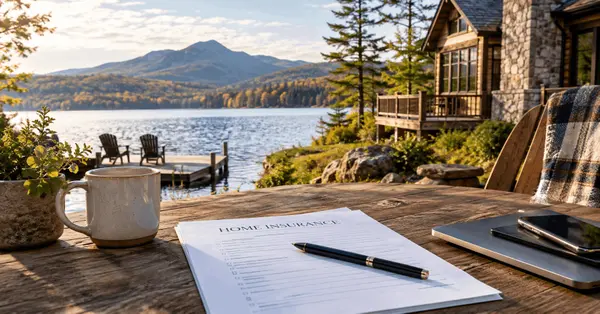
Insurance. Remote location, wood heat, seasonal occupancy, and distance from a fire station can all raise premiums or limit which carriers will write a policy at all. Confirm you can actually insure the property affordably before you remove contingencies.
Financing. Off-grid, seasonal, or heavily rural cabins can be difficult to finance with a conventional mortgage, which is one reason so many trade in cash. Federal resources like the Consumer Financial Protection Bureau's Owning a Home guide can help you understand your options and prepare for a lender's questions. National context on rates and lending conditions from sources such as Freddie Mac is useful for reading where the broader market is heading.
Resale liquidity. This is where solid investment advice and current market trends intersect. A four-season, easily accessed cabin with sound systems appeals to a wide buyer pool. A remote seasonal camp with access or system issues appeals to a narrow one, which means longer days on market and softer pricing when you eventually sell. The cheapest cabin to buy is frequently the hardest cabin to sell.
Smart Home Buying Tips Before You Chase a Bargain
You do not need to fear low-priced listings, you need a checklist. Before you make an offer on any Adirondack cabin, work through these home buying tips:
- Budget for total cost of ownership, not just price. Add realistic well, septic, access, and renovation figures to the sticker number.
- Order the full inspection trio: home inspection, septic inspection, and well flow-and-quality testing.
- Confirm legal, year-round access and get the road-maintenance answer in writing.
- Check Adirondack Park Agency jurisdiction for anything you plan to build, clear, or subdivide.
- Verify insurability and financing early, before contingencies expire.
- Think about resale from day one. The features that make a cabin cheap to buy often make it expensive to sell.
Do this work up front and a modest cabin can be exactly what it appears to be: a genuine value and a foothold in one of the most beautiful regions in New York State. Skip it, and the bargain does the deciding for you.
Frequently Asked Questions
Is buying a cheap cabin in the Adirondacks a good investment? It can be, but only after you account for the true cost of ownership. A low-priced cabin with sound systems, legal access, and few building restrictions can be a strong long-term value; one with well, septic, or access problems often costs more to own and is harder to resell. The purchase price is only the starting line.
What inspections should I get before buying a rural cabin? At minimum, a full home inspection, a dedicated septic inspection, and a well flow-rate and water-quality test. On seasonal or off-grid properties, also evaluate heating, winterization, and the cost to make the cabin four-season if that is your goal.
Do Adirondack Park rules affect what I can do with my property? Yes. The Adirondack Park Agency regulates development on private land across the Park, and rules are stricter near wetlands and shorelines. If your plans include building, expanding, clearing, or subdividing, confirm the regulatory picture before you buy, because it directly affects both usability and resale value.
Ready to Buy Smart in the Adirondacks?
The right cabin at the right price is out there, and knowing where the hidden costs hide is how you find it. If you are weighing a listing that looks too good to be true, let us help you pressure-test it before you fall in love.
Explore current Adirondack cabin and land listings at Tina Leonard Real Estate, subscribe to our newsletter for local market trends and buying insights, or reach out for a straight-talking conversation about a specific property. For personalized guidance across Lake Placid, Saranac Lake, Tupper Lake, and the greater Adirondack Park, contact Tina Leonard Real Estate at 518-524-3273.
Categories
Recent Posts



"My job is to find and attract mastery-based agents to the office, protect the culture, and make sure everyone is happy! "