
Smart Home Features Buyers Actually Want in Mountain Homes
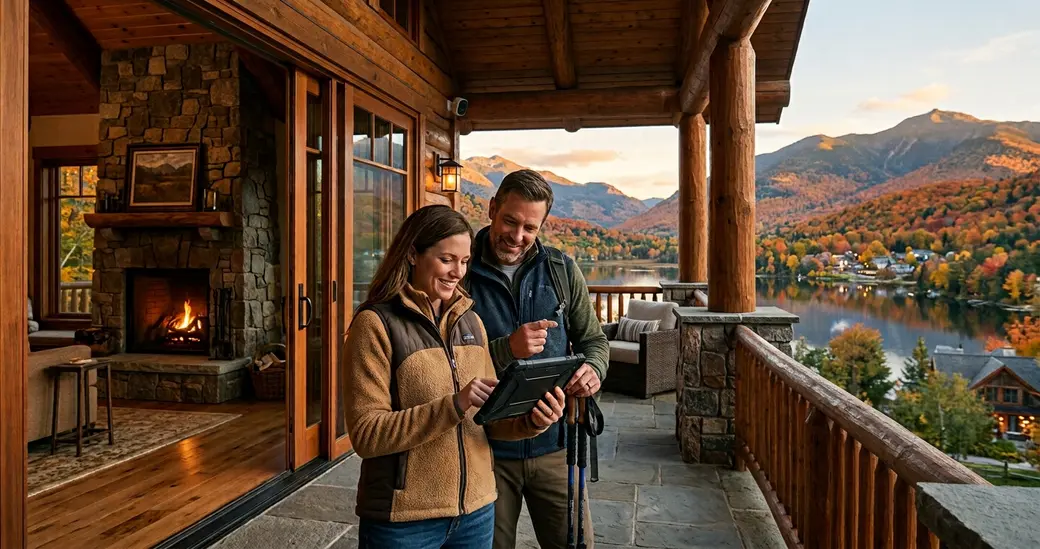
Smart Home Features Buyers Actually Want in Mountain Homes
What smart home features do buyers actually want in Adirondack mountain homes? In Adirondack mountain homes, buyers most want freeze and leak detection, smart thermostats with remote access, backup-power monitoring, and dependable connectivity, practical systems that protect a property through hard mountain winters.
Introduction
Walk through a listing in Lake Placid or Saranac Lake and you'll notice something: the smart home features that impress buyers in a suburban subdivision aren't the ones that move the needle up here. A voice assistant that dims the lights is nice. A sensor that texts you the moment a pipe starts to freeze while you're three hours away in Albany? That's the feature that closes the deal.
Mountain homes ask more of their technology. Long winters, remote driveways, seasonal occupancy, and the very real possibility of a multi-day power outage change what "smart" needs to mean. The best home buying tips for this region start with a simple reframe: in the Adirondacks, smart home technology is less about convenience and more about protection, monitoring, and peace of mind.
This guide breaks down the features buyers in Essex, Clinton, and Franklin counties are actually asking about, and, just as important, which ones deliver real value if you're weighing them as an upgrade before selling. Whether you're buying your first mountain retreat or looking for practical investment advice on where to put your renovation dollars, these are the systems worth understanding.
Why Mountain Homes Need Different Smart Features
A smart home in a temperate climate is optimized for lifestyle. A smart home in the Adirondacks is optimized for resilience. The difference comes down to three realities every buyer here eventually faces.
First, many homes sit empty for stretches, second homes, seasonal camps, and properties between guests. An unoccupied house in January is exposed to frozen pipes, heating failures, and water damage that can go undetected for days. Second, the weather is genuinely hard: heavy snow load, ice, and winter storms that knock out power. Third, connectivity can be inconsistent, which means the "smart" layer has to be built on a foundation that actually works when you're not there.
Understanding these constraints is the key to separating features that look good on a spec sheet from features that protect your investment. It's also why regional market trends increasingly reward homes that come with these systems already installed and documented.
The Features Buyers Actually Prioritize
Freeze and Leak Detection with Automatic Water Shutoff
Ask any experienced agent in Wilmington or Keene Valley what the single most valuable smart upgrade is, and the answer is almost always the same: water protection. A burst pipe is the most common, and most expensive, disaster in an unoccupied mountain home.
Smart water-leak sensors placed near vulnerable points (under sinks, near the water heater, at the pressure tank) send an instant alert to your phone. Paired with an automatic shutoff valve on the main line, the system can cut the water supply before a slow drip becomes a flooded basement. For buyers evaluating a seasonal property, this is often the first question they ask. For sellers, it's one of the highest-confidence upgrades you can make.
Smart Thermostats with Remote Access and Freeze Protection
Heating is the largest operating cost in most Adirondack homes, and a smart thermostat does double duty here. It lets you drop the temperature when the house is empty and warm it back up before you arrive, but the feature buyers care most about is the freeze-protection alert that fires if the indoor temperature drops toward the danger zone, signaling a failed furnace or an empty propane tank.
The New York State Energy Research and Development Authority has good, non-commercial guidance on how smart thermostats manage energy use, and ENERGY STAR maintains practical smart home efficiency tips worth reviewing before you buy or upgrade. Zoned systems, common in larger mountain homes, make this even more powerful by letting you heat only the rooms in use.
Backup Power and Generator Monitoring
Winter storms take down power lines across the region every year, and an outage that lasts hours in a village can last days on a remote road. That's why backup power, and the ability to monitor it remotely, ranks so high on buyer wish lists.
A monitored standby generator or battery system that alerts you when it kicks on, and again if it runs low on fuel, turns a frightening unknown into a manageable event. For anyone evaluating a property they won't occupy full-time, this is core to responsible ownership. Ready.gov's winter-weather preparedness resources are a useful, authoritative starting point for understanding what outage readiness actually requires.
Reliable Connectivity: The Foundation Everything Sits On
Here's the feature nobody puts in the listing photos but everyone depends on: the internet connection that makes all the other smart systems work. In much of the Adirondacks, that means satellite service, fixed wireless, or a strong cellular signal backing up your primary connection.
A mesh Wi-Fi network that covers a long, low-slung camp, plus a cellular backup so alerts still reach you if the main line goes down, is what separates a smart home that works from one that simply looks smart. When you tour a property, ask what connectivity it currently has and what's available at the address. It's one of the most overlooked home buying tips in this region.
Smart Security and Keyless Access
Long driveways, detached garages, and outbuildings make remote monitoring genuinely useful in mountain settings. Video doorbells and exterior cameras let you check on deliveries, snow removal, or a contractor's visit from anywhere. Keyless smart locks let you grant temporary access to a caretaker or tradesperson without handing over a physical key, a practical benefit for a property you don't visit every week.
Buyers also value driveway and motion sensors that account for the realities of rural life, from wildlife to weather. The goal isn't surveillance for its own sake; it's knowing what's happening at a property that may be miles from the nearest neighbor.
Smart Smoke, CO, and Wood-Stove Safety
Many Adirondack homes rely on wood or pellet stoves, which makes carbon monoxide monitoring more than a formality. Connected smoke and CO detectors that send alerts to your phone, not just chirp in an empty house, are a meaningful safety upgrade, especially for seasonal properties. The National Fire Protection Association offers authoritative guidance on smoke and CO alarm placement and maintenance that's worth following whether your system is smart or not.
Which Upgrades Are Worth the Investment?
If you're a seller, or a buyer thinking a few years ahead, the practical investment advice is to prioritize the systems that protect the home over the ones that simply add convenience. Ranked by the value they tend to carry with Adirondack buyers:
- Highest value: freeze/leak detection with automatic shutoff, monitored backup power, and smart thermostats with freeze alerts. These directly reduce risk and operating cost.
- Strong value: reliable connectivity infrastructure and connected smoke/CO monitoring. Buyers notice their absence.
- Nice to have: smart lighting scenes, voice assistants, and automated blinds. Pleasant, but rarely a deciding factor in this market.
The National Association of Realtors tracks how smart home technology influences buyer preferences nationally, and the through-line matches what we see locally: features tied to safety, security, and energy savings consistently rank above pure convenience. Aligning your upgrades with those priorities is how you make sure your dollars track with real market trends rather than passing gadgets.
How Smart Features Fit Into the Bigger Buying Picture
Smart technology is one layer of a good mountain-home decision, not the whole story. A well-chosen freeze sensor doesn't fix an aging roof, and a video doorbell won't tell you whether the septic system is sized for the home. Use these features as a signal of how well a property has been cared for, a seller who has invested in water protection and remote monitoring has usually thought carefully about the rest of the house too.
For buyers weighing communities from Tupper Lake to the Champlain Valley towns near Peru, the smart-home question is really a stewardship question: is this a home someone has set up to survive and thrive through Adirondack winters? When the answer is yes, you're usually looking at a property worth serious consideration.
Frequently Asked Questions
Do smart home features increase resale value in the Adirondacks? Practical, protection-focused features, freeze detection, monitored backup power, and smart thermostats, tend to support value and shorten conversations with cautious buyers, because they directly address the risks of owning a mountain property. Convenience-only gadgets rarely move price on their own.
What's the most important smart feature for a seasonal or second home? Water protection. A leak sensor paired with an automatic main-line shutoff prevents the most common and costly disaster in an unoccupied Adirondack home. Pair it with a smart thermostat that sends freeze alerts and you've covered the two biggest risks.
Can smart home systems work in remote areas with limited internet? Yes, but they depend on the connection you build. Many Adirondack homeowners rely on satellite or fixed-wireless service with a cellular backup so alerts still send during an outage. Confirm what connectivity is available at any address before counting on smart features.
Ready to Find a Mountain Home That's Built to Last?
Smart features are one piece of buying well in the Adirondacks, knowing which properties are truly cared for is the rest. At Tina Leonard Real Estate, we help buyers and investors across Lake Placid, Saranac Lake, Wilmington, Keene Valley, Tupper Lake, and the wider Champlain Valley evaluate homes with a clear eye on what matters here: resilience, value, and long-term peace of mind.
Explore current listings, subscribe to our newsletter for regional market insight, or reach out for personalized guidance on your search. Contact Tina Leonard Real Estate, call 518-524-3273 or visit tinaleonardrealestate.com to get started.
Categories
Recent Posts





"My job is to find and attract mastery-based agents to the office, protect the culture, and make sure everyone is happy! "