
What Buyers Secretly Notice During Home Showings
What Buyers Secretly Notice During Home Showings
What do buyers really notice during a home showing? Buyers form a first impression within seconds, reacting to smell, natural light, sound, and signs of upkeep long before they mention price. In the Adirondack–Champlain Valley, they also quietly assess heating, water systems, and winter readiness.
Walk through any home showing and you'll see buyers being polite. They nod, they smile, they say "nice kitchen." But the decisions that actually move a sale are happening quietly, in the background, in the first handful of seconds and in a hundred tiny details nobody comments on out loud. Understanding what buyers secretly notice is one of the most useful home buying tips you can learn, whether you're the one touring a property or the one trying to sell it.
At Tina Leonard Real Estate, we've walked buyers through everything from lakefront camps near Saranac Lake to year-round homes in Plattsburgh and Essex County, and the pattern holds: people buy on feeling and justify with facts. This post pulls back the curtain on the silent evaluation happening during every showing, then turns it into practical advice you can act on today.
The First 15 Seconds: The Approach and the Front Door
Before a buyer ever crosses the threshold, they've started scoring the home. The drive up, the condition of the walkway, whether the front door sticks, all of it registers.
- The approach. Overgrown shrubs, a sagging gutter, or peeling trim signals deferred maintenance. Buyers assume that what they can see hints at what they can't.
- The front door moment. A door that swells, a lock that fights back, or a threshold that's worn tells a buyer the home hasn't been cared for in the small ways.
- The pause on the porch. That short wait while the agent works the lockbox is when buyers look up, at the roofline, the soffits, the foundation line.
None of this gets said aloud. But by the time a buyer steps inside, they've already formed a working theory about the home. Great curb appeal buys you the benefit of the doubt; a rough approach means you're playing defense for the rest of the tour.
What Buyers Notice the Instant They Step Inside
The entryway is where the sale is quietly won or lost. Three senses fire at once, and buyers react before their conscious mind catches up.
Smell
This is the one nobody admits to, and it's the most powerful. Musty basements, pet odors, cooking smells, or an aggressive air freshener (which reads as "what are they hiding?") can end a showing emotionally before it starts. A neutral, clean-smelling home lets the buyer relax and keep looking.
Light
Buyers crave natural light, and they notice instantly when a room feels dim. They'll quietly clock north-facing rooms, small windows, and heavy drapery. In the Adirondacks, where winter days are short, light matters even more than in a sunnier market.
Sound
An echo suggests emptiness; a too-quiet street reads as isolation to some and peace to others. Buyers also listen for the things that shouldn't be there, a noisy furnace, a dripping faucet, a rattling window in the wind.
The Details That Reveal How a Home Was Maintained
Once buyers move room to room, they shift into detective mode. They're not consciously inspecting, but they are gathering evidence about whether this home was loved or merely lived in.
Water is the first thing they read
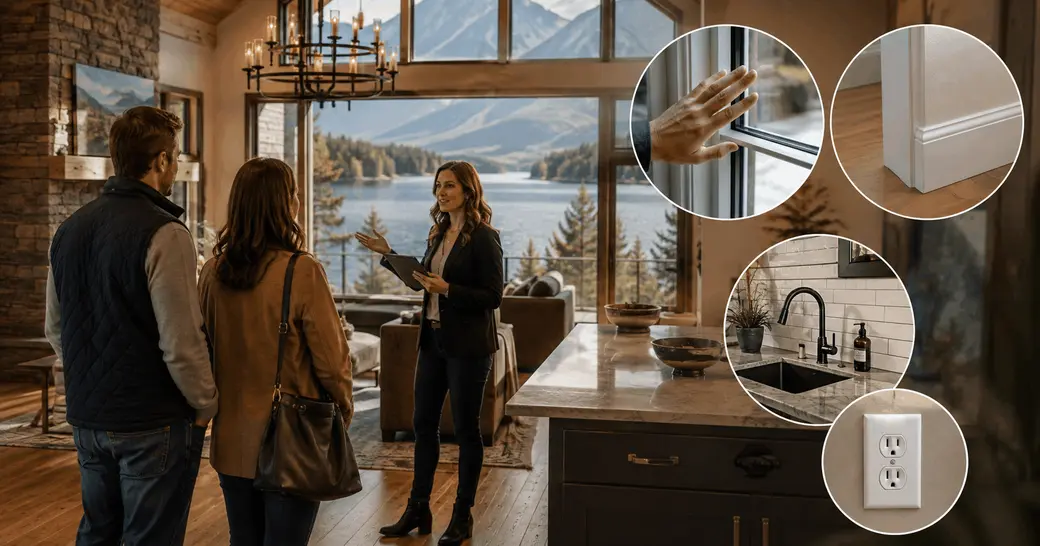
Buyers instinctively scan ceilings and around windows for stains. A faint ring on a bedroom ceiling, bubbling paint near a bathroom, or fresh caulk in one suspicious spot all raise the same silent question: is there a water problem here? Water intrusion is the single biggest fear for most buyers, and the U.S. home-inspection community treats it as a top priority for good reason, the International Association of Certified Home Inspectors publishes extensively on how moisture drives structural and air-quality issues.
How things open and close
Buyers open closets, run a faucet, flip a light, and swing a few doors. It feels casual. It isn't. Windows that stick, doors that don't latch, and drawers that catch all whisper the same message about upkeep.
The "just one more room" test
When a buyer keeps opening doors and lingering, they're engaged. When they start hanging back near the exit, they've mentally checked out. Agents read this body language constantly, and so should sellers preparing a home.
Adirondack and Champlain Valley Specifics Buyers Quietly Assess
Buyers in Clinton, Essex, and Franklin counties carry an extra checklist that suburban buyers never think about. Rural and seasonal homes come with systems that can make or break a deal, and savvy buyers know to look.
- Heating source and cost. Is it propane, oil, a heat pump, or wood? Buyers mentally price out a Northern New York winter the moment they see the setup. Energy efficiency is a growing part of that math, and resources like ENERGY STAR help buyers understand what efficient systems actually save.
- Water and septic. On homes outside village limits, buyers want to know about the well and the septic system. A visible, well-documented system reassures; vague answers make buyers nervous.
- Winter access. Who plows the road? How steep is the driveway? Is the home reachable year-round? For a second home or investment property, access is everything.
- Waterfront and shoreline. Near our lakes, buyers study the shoreline, the dock, and any signs of erosion or flooding as closely as they study the kitchen.
Naming these factors honestly is smart selling and smart buying alike. In a region defined by its landscape, the property's relationship to that landscape is often the real headline.
The Emotional Cues Buyers Rarely Say Out Loud
Beyond the physical, buyers are running an emotional simulation: Can I picture my life here? They notice whether the home feels like theirs or like someone else's. Heavy personal clutter, bold paint, and tight furniture arrangements make it hard to imagine, so buyers stay guarded. Clean, neutral, and lightly staged spaces let them project a future onto the home, which is exactly when interest turns into offers.
They also notice how a home fits the broader picture. Buyers today arrive informed about local market trends, what's selling, how long homes sit, and where prices are heading. National platforms such as Realtor.com's buyer advice and research from the National Association of Realtors shape those expectations before a buyer ever pulls into your driveway.
Turning This Into Home Buying Tips You Can Actually Use
Here's how to put this silent checklist to work, whether you're buying or selling in the Adirondack–Champlain Valley.
If you're buying: Slow down and trust your senses, they're picking up real signals. Ask directly about heating costs, the well, the septic, and winter access. Treat cosmetic issues as negotiating room and structural or water concerns as reasons for a thorough inspection. And frame the purchase with clear-eyed investment advice: a home that photographs beautifully but hides deferred maintenance can quietly erode the return you're counting on.
If you're selling: Address the free stuff first, smell, light, decluttering, and a door that opens smoothly cost little and change everything. Fix the small tells (running toilets, sticky windows, a stained ceiling) before they cost you buyer confidence. Document your systems so buyers don't have to guess.
The through-line is the same for both sides: the details buyers don't mention are often the ones deciding the sale.
Frequently Asked Questions
What is the biggest thing buyers notice during a showing? Smell and first impression at the entry. Buyers form a strong emotional reaction within the first 15 to 30 seconds, and odors or a poor approach are difficult to recover from later in the tour.
Do cosmetic issues really affect a home sale? Yes, more than sellers expect. Small cosmetic flaws like scuffed trim or sticky doors don't just look bad; buyers read them as clues about hidden maintenance, which can lower offers or scare buyers off entirely.
What should buyers pay special attention to in Adirondack homes? Heating source and cost, the well and septic systems, year-round road access, and shoreline condition on waterfront properties. These rural and seasonal factors carry more weight in Clinton, Essex, and Franklin counties than in a typical suburban market.
Ready to Make Your Next Move With Confidence?
Whether you're touring homes and want a sharp second set of eyes, or you're preparing to sell and want buyers to fall for your home in the first 15 seconds, we can help you read the market, and the details, the way experienced buyers do.
Explore current listings and the latest local market trends at tinaleonardrealestate.com, subscribe to our newsletter for buyer and seller insights across the Adirondack–Champlain Valley, or reach out for personalized advice tailored to your goals. Contact Tina Leonard Real Estate, 518-524-3273, and let's find, or sell, your next home the smart way.
Categories
Recent Posts








"My job is to find and attract mastery-based agents to the office, protect the culture, and make sure everyone is happy! "