
Adirondack Traditions Every New Resident Eventually Learns
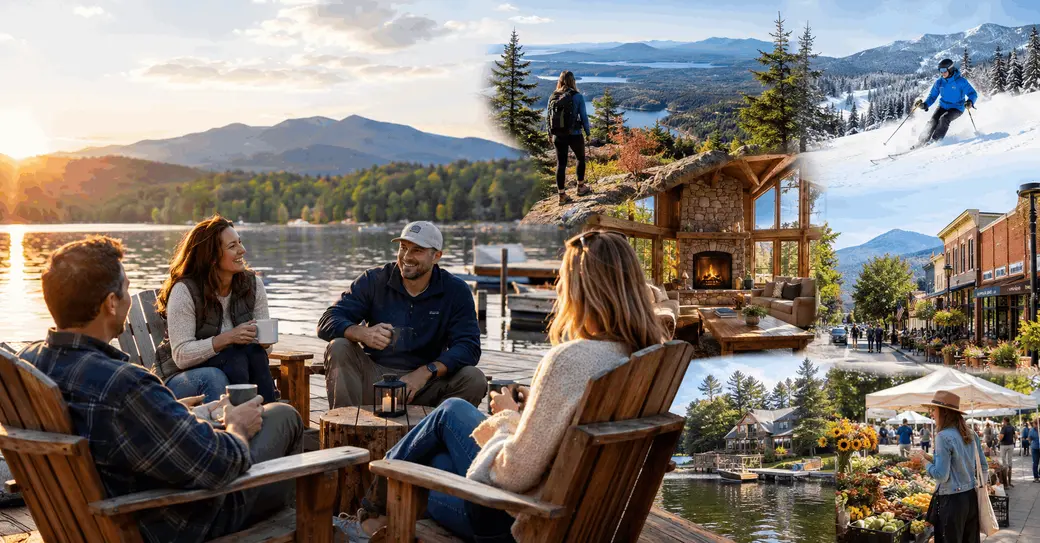
Adirondack Traditions Every New Resident Eventually Learns
What traditions should new residents expect when moving to the Adirondacks? New Adirondack residents quickly learn to live by six unofficial seasons, keep a woodpile, celebrate winter rather than endure it, and treat the High Peaks and local shops as shared community institutions across the Lake Placid and Saranac Lake region.
You can buy a house in the Adirondacks in an afternoon. Becoming an Adirondacker takes a few seasons longer.
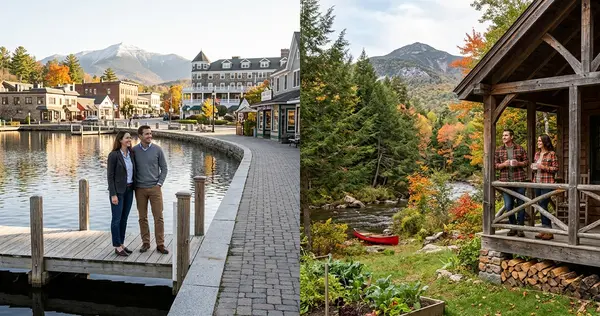
Whether you're relocating to Lake Placid for the mountains, settling into Saranac Lake for the small-town pace, or finding a quieter corner in Wilmington, Keene, or Peru, there's a rhythm here that no listing description fully captures. It shows up in how neighbors talk about weather, in the questions the person at the hardware store asks you, and in the customs that seem strange for exactly one year, and then feel like second nature.
Here are the traditions nearly every new resident in the Adirondack–Champlain Valley eventually picks up, and why understanding them makes you both a better neighbor and a smarter buyer.
The Six Seasons of the Adirondacks
Newcomers arrive expecting four seasons. Locals will gently correct you. Up here, the year runs on six: winter, mud season, spring, summer, fall (leaf-peeping), and stick season, that stretch after the leaves drop and before the snow settles in.
Each season reshapes daily life, and each one changes what a property feels like. A camp that's magic in July can be snowbound in February; a road that's charming in fall can turn to soup in April. Learning the six seasons is really about learning that a home here is a year-round relationship with the land, not just the view you saw on a sunny weekend showing.
You can track the seasonal calendar of festivals, races, and events across the region at Adirondack.net, which is one of the better regional resources for getting a feel for how the year actually flows.
Mud Season Is Real, and Nobody Warns You in Advance
If there's one tradition that catches every new resident off guard, it's mud season. Roughly from late March into May, the frozen ground thaws from the top down, meltwater has nowhere to go, and dirt roads and driveways become genuinely impassable in spots.
Veterans of mud season keep a pair of dedicated "mud boots" by the door, avoid certain back roads entirely, and never wash the car in April. They also know that a beautiful gravel drive is a real consideration when buying, drainage, grading, and road maintenance agreements are the kind of unglamorous details that matter enormously once you live here full time. It's one of the most practical home buying tips locals will give you, even if it never makes a brochure.
Firewood Is a Way of Life
Ask a longtime resident how their winter's shaping up and they may answer in cords, not degrees. Heating with wood, or supplementing with it, is deeply woven into Adirondack life, and it comes with its own etiquette and vocabulary.
New residents learn quickly that:
- Wood is bought by the cord (a stacked 4x4x8-foot pile), and "face cords" are smaller, so ask which you're getting.
- Green wood needs to season six months to a year before it burns clean, so you order ahead.
- A tidy, well-covered woodpile is a quiet point of local pride.
- Chimney sweeping isn't optional, it's an annual ritual and a safety essential.
When you're touring homes, that wood stove or fireplace isn't just ambiance. It's part of how many Champlain Valley and High Peaks households stay comfortable and manage heating costs through a long winter.
Winter Is Something You Celebrate, Not Endure
Down south, winter is a season to survive. In the Adirondacks, it's the main event. The clearest expression of this is the Saranac Lake Winter Carnival, the oldest winter carnival in the eastern United States, complete with a hand-built ice palace cut from lake ice each February. New residents who show up skeptical usually leave converts.
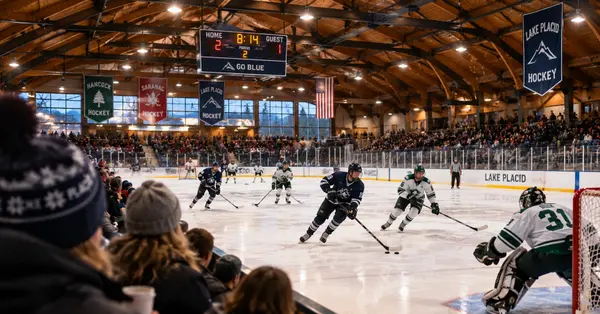
Beyond the Carnival, you'll find the whole region leaning in, ice fishing on frozen lakes, Nordic skiing groomed trails, and Lake Placid's Olympic legacy still very much alive at its venues. The tradition here is simple: get outside anyway. Buy the right layers, learn to drive on snow, and let winter become a reason to live here rather than a tax you pay for summer.
The High Peaks and the Quiet Ambition of Becoming a 46er
Sooner or later, someone will ask if you've climbed any of the 46. They mean the 46 High Peaks, the Adirondack summits over roughly 4,000 feet, and finishing all of them earns you the title of Adirondack 46er. Plenty of residents spend years, even decades, working through the list.
You don't have to become a 46er to belong here, but the mountains are a shared reference point, and stewardship of them is a genuine community value. New residents are expected to learn trail etiquette, respect closures and mud-season trail advisories, and pack out what they pack in. The New York State Department of Environmental Conservation manages the High Peaks Wilderness and posts current conditions, and the Adirondack Mountain Club is the go-to for Leave No Trace guidance and trail information. Learning to be a low-impact hiker is part of the local social contract.
"Camp" Means Something Specific Here
Say "camp" almost anywhere else and people picture a tent or a summer program for kids. In the Adirondacks, a camp is a cabin, cottage, or lakeside retreat, from a rustic one-room getaway to a grand Great Camp on a private shoreline.
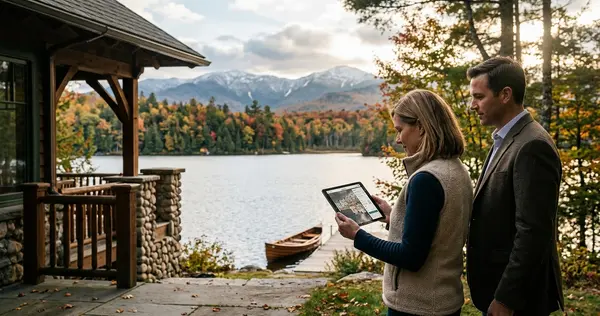
New residents learn to decode this fast, because "the camp" comes up constantly in conversation and in real estate. Understanding the local vocabulary, camp, great camp, seasonal versus year-round, on-season versus off-season access, helps you read listings accurately and ask the right questions during a showing. It's also central to any investment advice worth taking here: whether a property is a true four-season home or a seasonal camp affects insurance, financing, road access, and resale in ways that catch out-of-area buyers by surprise.
Small-Town Rhythms: The Wave, the Counter, and Shopping Local
Some traditions are smaller and softer. There's the two-finger wave off the steering wheel when you pass a car on a back road. There's the way the general store or local hardware counter functions as an unofficial community bulletin board. And there's a strong, seasonal ethic of shopping local, supporting the shops, farm stands, and makers in Tupper Lake, Jay, Bloomingdale, and the villages that keep the region running year-round.
New residents earn goodwill quickly by showing up: at the town meeting, the volunteer fire department fundraiser, the farmers market. Community here isn't abstract. It's a set of small, repeated appearances that eventually add up to belonging.
Maple Season and the Return of Spring
Just as mud season tests your patience, maple season rewards it. As nights stay cold and days warm above freezing, typically late February into April, the sap runs and sugarhouses across the region fire up. Many host open-house weekends where you can watch sap boil down into syrup, a tradition worth building into your first spring here. You can find producers and sugarhouse events through the New York State Maple Producers Association.
What These Traditions Mean If You're Buying Here
Traditions aren't only charming, they're diagnostic. The customs above quietly tell you how to evaluate a property in this specific market:
- Seasonality drives market trends. Buyer interest in the Adirondacks tends to swell in summer and fall and cool in the deep winter and mud season. Understanding those local market trends helps you time both offers and listings with more leverage.
- Access and infrastructure are everything. Road maintenance agreements, well and septic details, heating systems, and winter access aren't fine print here, they're the difference between a dream home and a hard lesson.
- Seasonal versus year-round changes the math. A camp and a four-season home can look similar in photos but behave very differently as a purchase and as a long-term hold, which is exactly why local investment advice beats generic national guidance.
The best home buying tips in the Adirondacks all come back to one idea: buy for the life you'll actually live across all six seasons, not just the postcard weekend. That's where working with people who know Clinton, Essex, and Franklin counties from the inside genuinely pays off.
Frequently Asked Questions
What is "mud season" in the Adirondacks? Mud season is the stretch from roughly late March into May when thawing ground turns dirt roads and driveways to mud. It's considered an unofficial season locally, and it makes road access, drainage, and driveway condition important factors when buying an Adirondack home.
What does "camp" mean in Adirondack real estate? In the Adirondacks, "camp" refers to a cabin, cottage, or lakeside retreat rather than a campground. Camps range from rustic seasonal cabins to elaborate Great Camps, and whether a property is a seasonal camp or a true year-round home affects financing, insurance, and access.
Is it hard to adjust to Adirondack winters? Most new residents find the adjustment is more about mindset and preparation than difficulty. Learning to heat with wood, drive on snow, and embrace winter events like the Saranac Lake Winter Carnival tends to turn winter from something to endure into a favorite season.
Ready to Find Your Place in the Adirondacks?
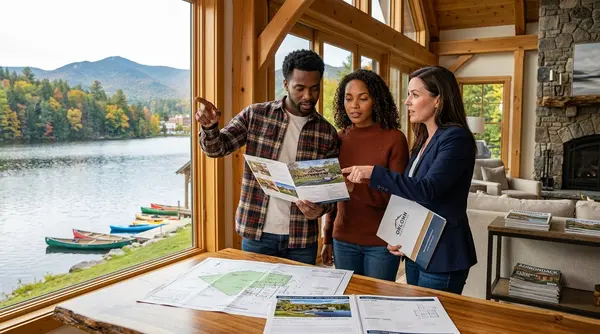
Traditions take time, but finding the right home shouldn't take a lifetime of guesswork. If you're relocating to Lake Placid, Saranac Lake, Wilmington, Keene, or anywhere across the Adirondack–Champlain Valley, the team at Tina Leonard Real Estate can help you buy for all six seasons, not just the sunny showing.
Explore current listings and get local guidance at tinaleonardrealestate.com, or reach out to Tina Leonard Real Estate, LLC at 518-524-3273, for personalized advice from someone who knows what it really means to live here year-round.
Categories
Recent Posts



"My job is to find and attract mastery-based agents to the office, protect the culture, and make sure everyone is happy! "