
Long-Term Rentals: The Overlooked Adirondack Investment Hiding Behind the Airbnb Hype
Long-Term Rentals: The Overlooked Adirondack Investment Hiding Behind the Airbnb Hype
Are long-term rentals a good investment in the Adirondacks? Often, yes. Behind the Airbnb hype, long-term Adirondack rentals tend to deliver steadier year-round income, lighter management, easier financing, and fewer regulatory headaches than short-term rentals, making them one of the region's most overlooked ways to build wealth.
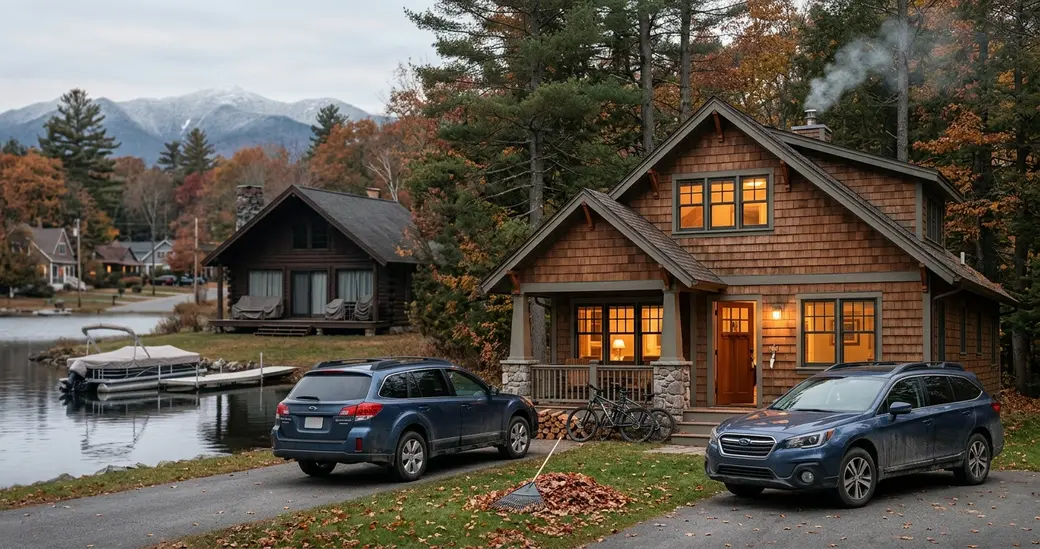
It is October in the Adirondacks, and you can watch the shift happen in real time. The leaf-peepers are thinning out, the lakeside cabins that were booked solid in July are going quiet, and a lot of short-term rental owners are staring down a long off-season. Meanwhile, the year-round tenant down the road just signed another twelve-month lease.
That contrast is the whole story. Short-term rentals get the attention, but for many investors the quieter long-term play is the more durable one. This guide from Tina Leonard Real Estate makes the case for long-term rentals across the Adirondacks and Upstate New York, and offers the market trends and investment advice you need to decide what actually fits your goals.
The Airbnb Hype Meets Adirondack Reality
Short-term rentals (STRs) can work, but the glossy version leaves out the friction, and in a seasonal region, the friction is real.
- Income is lumpy and seasonal. A cabin may command premium nightly rates in July and during foliage season, then sit empty through mud season and the deep-winter shoulder weeks. Your mortgage, meanwhile, is due all twelve months.
- Management is a real job. Cleanings, guest messaging, restocking, reviews, and the occasional 11 p.m. call add up fast. A management company can take 20% to 30% of revenue.
- Regulation is tightening. Adirondack communities are increasingly writing rules for STRs, and those rules can change the math, or the legality, of a property. In the Village of Saranac Lake, for example, short-term rentals are actively regulated through a permit process and local Short-Term Rental Law.
Of note: Local ownership and a permit are required to have an STR in village limits.
Before you bank on nightly income anywhere, verify the local rules, you can review Saranac Lake's framework through the Village of Saranac Lake Community Development Department, which administers STR permits. Rules vary town to town, so what is allowed in one community may be restricted in the next. We dug into the demand side of this question in our post on whether Airbnb is saturated in Lake Placid, which is worth reading alongside this one.
Why Long-Term Rentals Quietly Win
A long-term rental, typically a 12-month lease to a year-round tenant, trades the high ceiling of STR income for something many investors value more: predictability.
Steady, year-round cash flow
One signed lease means twelve months of known income, not a calendar you have to fill week by week. In a region with genuine seasonal swings, that stability is worth a lot. You can budget, plan, and sleep at night.
Dramatically lighter management
With a long-term tenant you are not turning the unit over every few days. Turnover happens once a year at most, and good tenants often stay for years. Less cleaning, less marketing, fewer logistics, a long-term rental behaves much more like an investment and much less like a hospitality business.
Simpler financing and fewer regulatory headaches
Lenders generally view long-term rentals as lower risk than STRs, which can mean smoother financing. And because long-term leases house the year-round workforce rather than tourists, they typically sidestep the STR permit battles playing out in village halls across the Park.
Real, resilient tenant demand
The Adirondack Park spans roughly six million acres and includes 101 towns and villages with about 123,000 year-round residents, according to the Adirondack Park Agency. Those residents, hospital staff, teachers, tradespeople, small-business employees, need housing every month of the year. Many communities face a real shortage of quality year-round rentals, which supports steady occupancy for well-kept properties.
Where Long-Term Rental Demand Is Strongest
Long-term rentals perform best where people actually live and work year-round, not just where they vacation. As you evaluate the market, focus on:
- Employment and healthcare hubs like Saranac Lake and Tupper Lake, where hospitals, schools, and steady employers generate consistent renter demand from the local workforce.
- Olympic-anchored Lake Placid, which pairs tourism with year-round jobs, though higher entry prices mean you should run the numbers carefully.
- Proximity to daily life, units near downtowns, grocery stores, and major employers rent faster and hold tenants longer than remote properties that only appeal in summer.
The best target depends on your budget and strategy, which is exactly where local, street-level knowledge beats national headlines.
Running the Numbers Like an Investor
Whether you lean short-term or long-term, discipline beats hype. Before you buy, work the math:
- Project realistic rent. Use actual comparable long-term rents in the specific town, not optimistic STR nightly rates times a dream occupancy. Our market snapshot tool is a useful starting point for local figures.
- Total your real costs. Principal, interest, property taxes, insurance, maintenance reserves, and vacancy. Older Adirondack homes can carry meaningful upkeep, especially heating, roofing, and water systems.
- Calculate cash flow and cap rate. Subtract expenses from income to see what the property truly returns. A modest but reliable long-term return often beats a volatile STR projection.
- Understand the tax picture. Rental income is reportable, but landlords can deduct mortgage interest, property taxes, insurance, repairs, and depreciation on Schedule E. The IRS lays out the specifics; confirm your situation with a tax professional.
- Plan your financing. Talk to a lender early about investment-property options, and understand tools like a home equity loan and their risks before tapping equity, the Consumer Financial Protection Bureau explains how that works.
For national market context as you time a purchase, the National Association of REALTORS® publishes monthly data, but local comparable rents and sales are what truly drive an Adirondack decision.
If you are weighing the bigger lifestyle-versus-returns question, two related reads help: second homes in Upstate NY as a smart investment or a lifestyle play and whether a lake house is a good investment.
Frequently Asked Questions
Which is better in the Adirondacks: a short-term or long-term rental? It depends on your goals and tolerance for management and risk. Short-term rentals can produce higher gross income in peak season but come with seasonality, heavy management, and tightening regulation. Long-term rentals offer steadier year-round income, a lighter workload, and simpler rules. Many Adirondack investors find the long-term route more durable, but the right answer depends on the specific property and town.
Do I need a permit to rent out my Adirondack property? For short-term rentals, often yes, many communities, including the Village of Saranac Lake, require permits and have specific short-term rental laws. Long-term rentals (12-month leases) are generally treated differently, but rules vary by municipality, so always confirm local requirements before you buy.
Is long-term rental income enough to cover a mortgage in the Adirondacks? In many year-round communities with steady tenant demand, a well-purchased long-term rental can cover its mortgage and expenses and still cash flow. The outcome hinges on your purchase price, financing, and realistic local rents, a local market analysis is the best way to know.
Ready to Look Past the Hype?
The Airbnb spotlight is bright, but it is not the only, or always the smartest, way to invest in Adirondack real estate. For many buyers, a long-term rental in the right year-round community offers steadier income, less stress, and a more financeable path to building wealth.
Tina Leonard Real Estate can help you identify strong long-term rental opportunities, run the numbers with clear eyes, and navigate local rules before you commit. Browse current listings or reach out for personalized advice, and let's find the overlooked opportunity that fits your goals.
Categories
Recent Posts








"My job is to find and attract mastery-based agents to the office, protect the culture, and make sure everyone is happy! "