
Why Smaller Homes Are Becoming More Desirable in the Adirondacks
Why Smaller Homes Are Becoming More Desirable in the Adirondacks
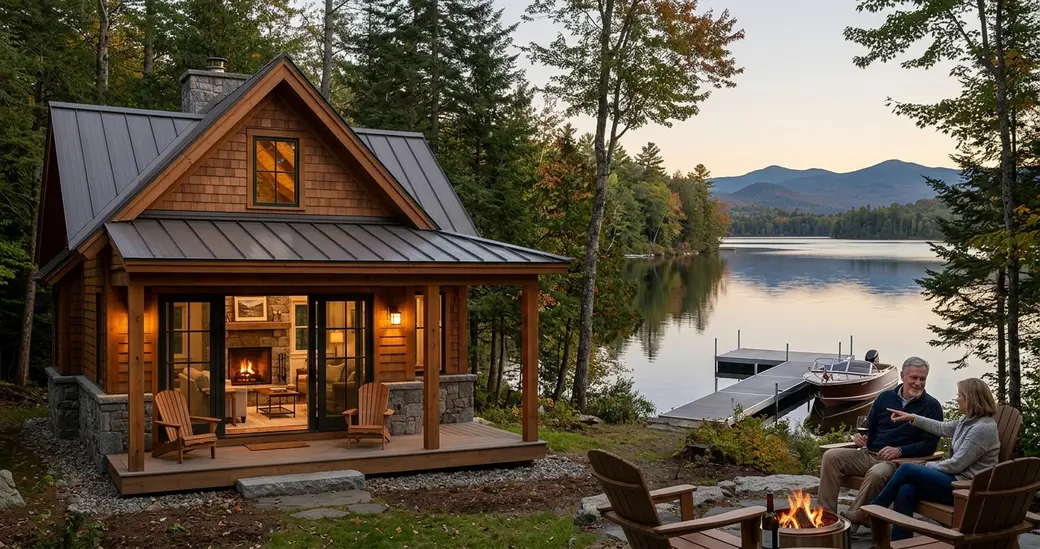
Why are smaller homes becoming more desirable in the Adirondacks? Across the Adirondack–Champlain Valley region, smaller homes are gaining appeal because they cost less to own, take less time to maintain, and match how today's buyers actually want to live, making them one of the clearest market trends shaping Clinton, Essex, and Franklin counties right now.
The Shift Toward "Right-Sized" Living
For years, the assumption in real estate was simple: bigger is better. More square footage, more bedrooms, more everything. But that thinking is quietly being replaced by something more practical. Buyers across the Adirondacks are asking a smarter question, not "how big can I go?" but "how much space do I actually use?"
This isn't just a local hunch. National market trends point the same direction, with builders and buyers alike leaning toward more efficient floor plans. Research organizations that track long-term housing patterns, such as Harvard's Joint Center for Housing Studies, have documented a growing appetite for lower-maintenance, cost-efficient homes. Here in the Champlain Valley and High Peaks region, that national shift meets a very local reality: our winters are long, our lots can be rugged, and a smaller footprint is often easier to heat, maintain, and enjoy.
If you've been browsing listings and wondering whether a compact cabin or a modest year-round home might serve you better than a sprawling one, you're reading the market correctly.
Why the Numbers Favor Smaller Homes
The most obvious appeal of a smaller home is affordability, but the savings go far beyond the purchase price.
Lower Cost of Ownership
A smaller home generally means a smaller mortgage, but it also means lower property taxes, reduced heating and cooling costs, and less expensive upkeep over time. In a region where winter heating is a serious line item, square footage you don't use is money you spend every single month. One of the most underrated home buying tips is to project your true annual cost of ownership, not just the listing price, before you commit.
Faster, Simpler Maintenance
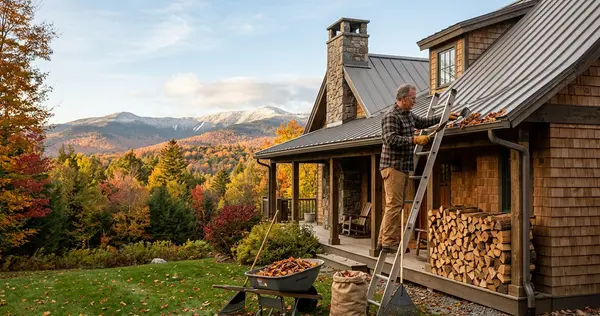
Fewer rooms, less roof, and a smaller yard translate into fewer hours spent maintaining your property and more time enjoying it. In the Adirondacks, where many buyers want to spend weekends on the trails around Lake Placid or on the water rather than on a ladder, that trade-off is a major draw.
A More Accessible Entry Point
For first-time buyers and those watching their budget, smaller homes lower the barrier to entry. That accessibility matters in a market where inventory across Essex and Franklin counties can be tight. A well-priced smaller home often sells quickly precisely because it appeals to such a wide range of buyers, a dynamic worth understanding whether you're purchasing or planning to resell down the road.
Adirondack Market Trends Driving Demand
Understanding the local market trends helps explain why demand for smaller homes is climbing across the Tri-Lakes and Champlain Valley.
Lifestyle over square footage. Buyers drawn to the Adirondacks are usually here for the setting, the mountains, the lakes, the quiet. When the outdoors is your living room, an oversized house feels less essential. Communities like Keene, Keene Valley, Wilmington, and Jay attract buyers who prioritize access to the region's public lands and recreation over interior square footage.
Energy efficiency is a selling point. Compact, well-built homes are cheaper to heat and easier to make energy efficient. As utility costs stay top of mind, smaller and smarter is winning. Broad market data from sources like Realtor.com's research team and Redfin's Data Center consistently shows buyers factoring ongoing costs into their decisions, not just the sticker price.
Flexibility for second homes and getaways. A significant share of Adirondack buyers are looking for a seasonal retreat rather than a primary residence. For a getaway you visit on weekends and holidays, a smaller, lock-and-leave property is often the smarter buy, less to maintain from a distance and less capital tied up in space you rarely use.
Smaller Homes as an Investment Play
If you're evaluating property through an investment lens, smaller homes deserve a serious look. Here's the investment advice worth internalizing: return on investment is driven as much by cost control and demand as by size.
- Broader buyer pool on resale. Because smaller homes are affordable to more people, they tend to attract more interest when it's time to sell, which can support a quicker sale and steadier value.
- Lower carrying costs. Taxes, insurance, and utilities on a compact home are easier to absorb between guests or tenants, protecting your margin.
- Rental appeal. In a four-season destination like the Adirondacks, a tidy, well-located smaller home can perform well as a rental. Visitors coming for the slopes, the trails, and the lakes often prefer a cozy, characterful place over a large, impersonal one.
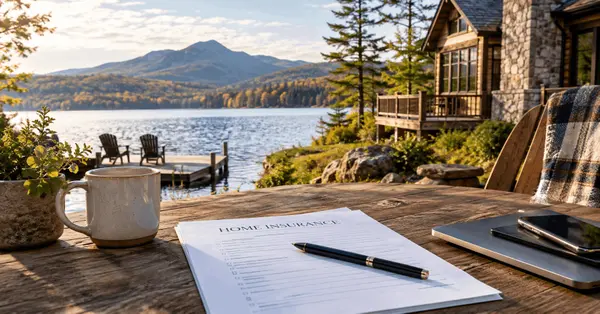
A quick but important note on the rental angle: if you're considering a short-term rental in Saranac Lake, the village regulates short-term rentals and requires a permit. Review the Saranac Lake short-term rental law before you buy so your investment plan is built on compliant footing. Sound investment advice always starts with understanding local rules, not working around them.
For deeper context on national housing and rate conditions that shape any purchase decision, the research libraries at Freddie Mac and the National Association of Realtors are reliable, non-promotional places to start.
Home Buying Tips for Going Smaller, The Right Way
Choosing a smaller home isn't about settling for less. It's about buying with intention. A few practical home buying tips for making the most of a compact Adirondack property:
- Prioritize layout over labels. A thoughtfully designed 1,200-square-foot home can live larger than a poorly laid-out 2,000-square-foot one. Walk the space and picture your real daily routine.
- Check the mechanicals. In our climate, the heating system, insulation, roof, and water source matter enormously. A smaller home with sound systems beats a larger one hiding expensive surprises.
- Think about storage and seasonality. Gear, snow equipment, and seasonal items need a home. Look for smart storage, a usable basement, or an outbuilding.
- Consider year-round access. Some Adirondack properties in Tupper Lake, Bloomingdale, or the outlying areas of Franklin County sit on seasonal roads. Confirm access before you fall in love.
- Run the full-cost math. Combine mortgage, taxes, insurance, utilities, and maintenance into one annual figure. This single habit is the most valuable of all home buying tips.
Is a Smaller Home Right for You?
A smaller home is an excellent fit if you value lower costs, minimal upkeep, and a lifestyle centered on the outdoors rather than the indoors. It may be less ideal if you regularly host large gatherings or need significant dedicated workspace, though clever design can often solve for both. The point isn't that everyone should size down; it's that size should be a deliberate choice aligned with how you actually live and what you want your money to do.
Frequently Asked Questions
Are smaller homes a good investment in the Adirondacks? They can be. Smaller homes typically carry lower ownership costs and appeal to a wide pool of buyers and renters, which can support resale demand and rental performance across the Champlain Valley and Tri-Lakes area. As with any purchase, location, condition, and local regulations drive the outcome.
Do smaller homes hold their value? Value is determined by location, condition, and demand far more than by square footage alone. In desirable Adirondack communities, a well-maintained smaller home in a sought-after setting often holds value strongly because affordability keeps buyer interest broad.
What should I check before buying a small home in a rural Adirondack area? Confirm year-round road access, evaluate the heating system and insulation for our long winters, verify the water and septic setup, and review any local rules, such as short-term rental permits, if you plan to rent the property. These checks protect both your comfort and your investment.
Ready to Find a Home That Fits Your Life?
Smaller homes are having a moment in the Adirondacks for good reason, and the right one can deliver more value, more freedom, and a better fit than a house twice its size. Whether you're buying your first place, searching for a four-season getaway, or weighing your next investment, the team at Tina Leonard Real Estate, LLC knows the Adirondack–Champlain Valley market inside and out.
Here's how to take the next step:
- Explore current listings across Lake Placid, Saranac Lake, Wilmington, Keene, and beyond at tinaleonardrealestate.com.
- Get personalized advice. Reach out at 518-524-3273 or through tinaleonardrealestate.com for guidance tailored to your goals.
Your ideal Adirondack home might be smaller than you imagined, and better than you hoped.
Categories
Recent Posts




"My job is to find and attract mastery-based agents to the office, protect the culture, and make sure everyone is happy! "