Retiring in the Adirondacks: Is It the Right Move for You?

Retiring in the Adirondacks: Is It the Right Move for You?
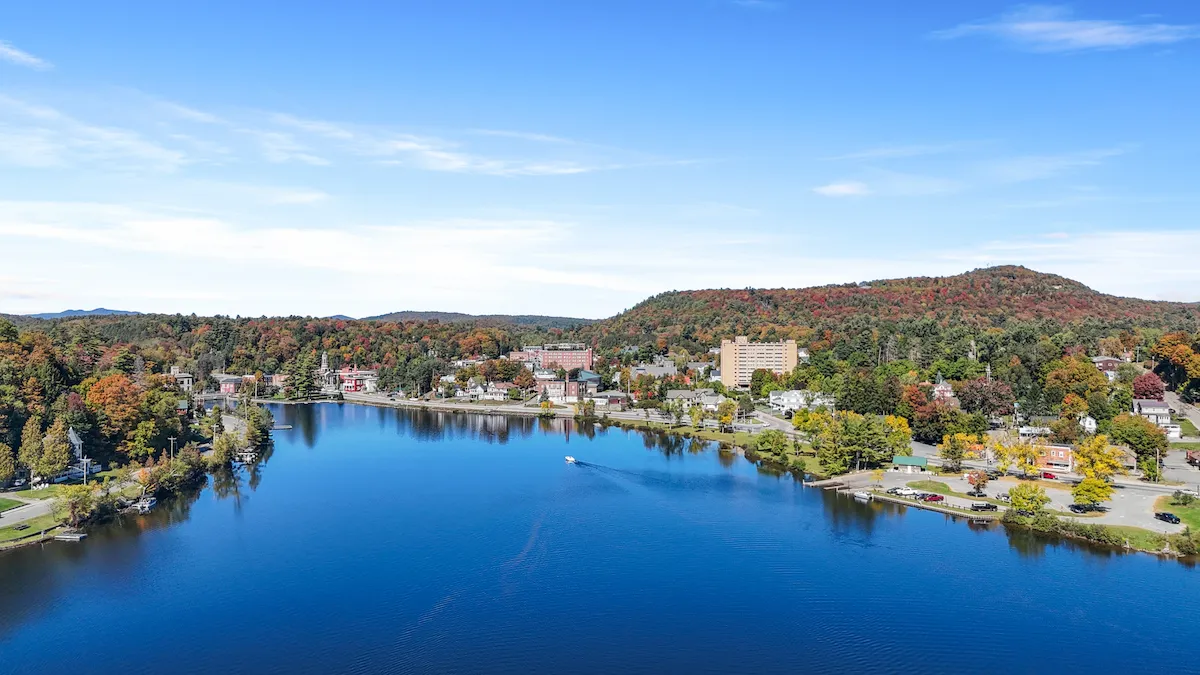
There's a moment — maybe you've had it already — when the noise of city life starts to feel less like energy and more like static. The commute, the crowds, the calendar packed with obligations. Somewhere in the back of your mind, a quieter picture forms: mornings on a porch with mountain views, afternoons on the water, winters with real snow and fireplaces that actually get used. For a growing number of retirees, that picture has a name: the Adirondacks.
But is relocating to upstate New York's most iconic wilderness region the right retirement move for you? That depends on a lot more than scenery. This guide walks you through the real considerations — from lifestyle and market trends to investment advice and practical home buying tips — so you can make a decision with both your heart and your head.
Why Retirees Are Drawn to the Adirondacks
The Adirondack Park covers over six million acres — roughly the size of Vermont — and contains some of the most preserved natural landscape in the eastern United States. But beyond the breathtaking geography, there are concrete quality-of-life reasons why retirees are increasingly targeting communities like Lake Placid, Keene Valley, Saranac Lake, and the Wilmington/Whiteface corridor.
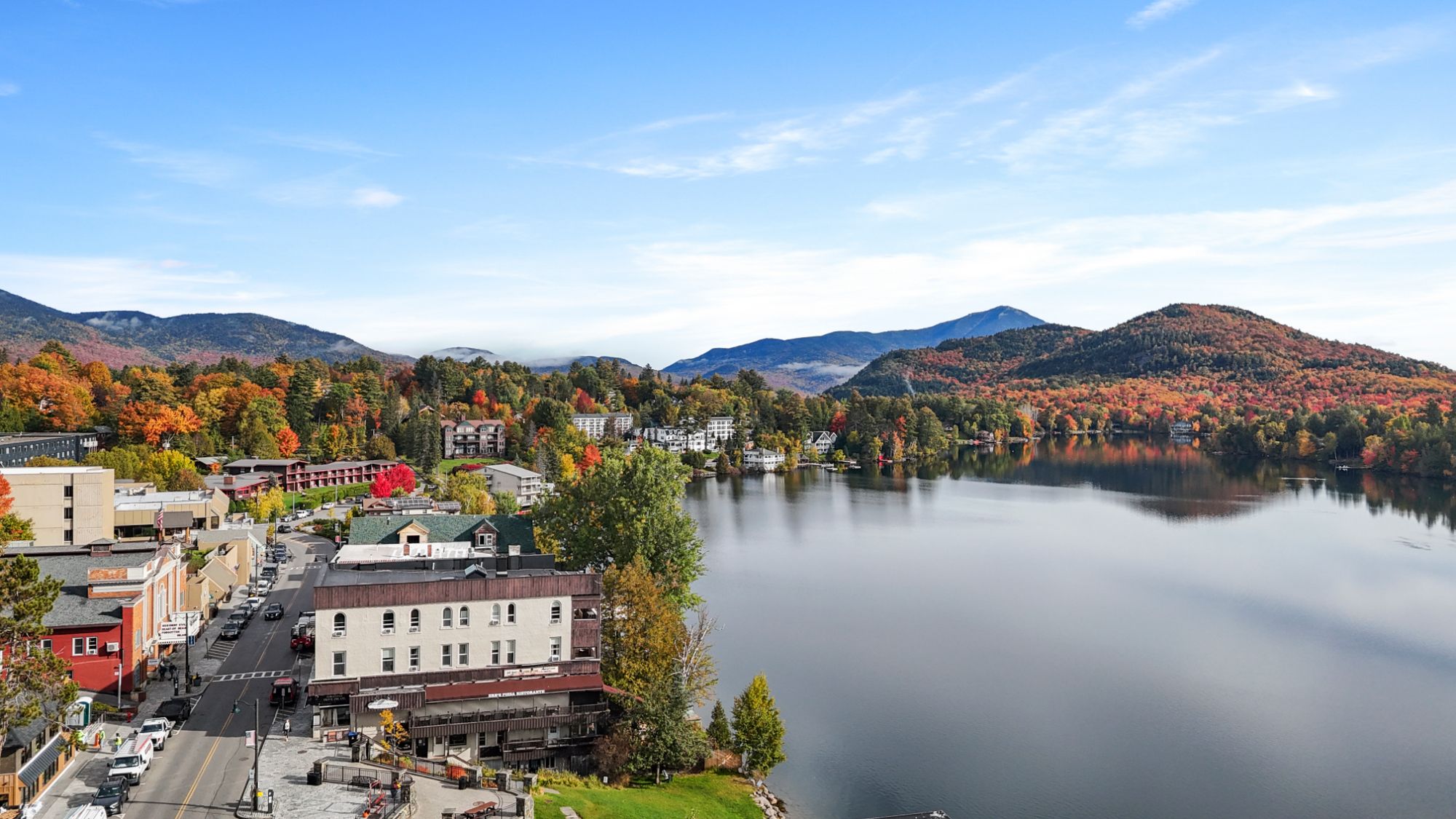
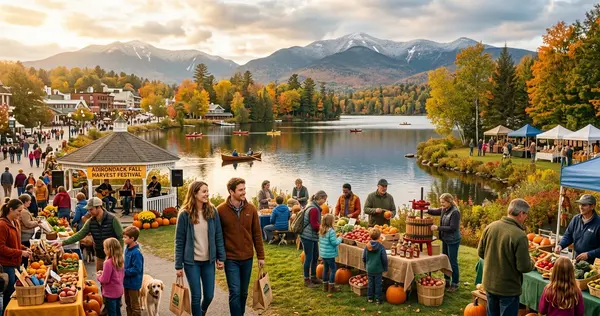
A four-season lifestyle with genuine variety. Winter brings world-class skiing at Whiteface Mountain, snowshoeing, and ice skating on mirror-still lakes. Spring and summer open up nearly 2,000 miles of hiking trails, kayaking on over 3,000 lakes and ponds, and a vibrant arts and dining scene that peaks during the warmer months. Fall transforms the region into something that has to be seen to be believed — the foliage here is among the most spectacular in North America, drawing visitors from around the world and reminding full-time residents why they stayed. The Lake Placid tourism portal is a great starting point for understanding just how much the region has to offer year-round.
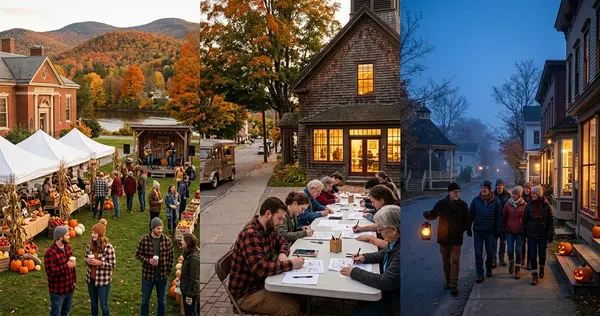
A genuine sense of community. The Adirondacks are not a retirement campus dropped into a wilderness backdrop. These are authentic mountain towns with local hardware stores, farmers markets, long-established restaurants, and neighbors who know each other by name. For retirees making the transition from urban or suburban life, that authenticity is part of the appeal — and part of the adjustment.
Clean air, clean water, and pace. The Adirondack Park's strict environmental protections — enforced through the Adirondack Park Agency — mean that development is carefully managed and the natural environment is genuinely protected. The result is air and water quality that routinely rank among the best in the Northeast, which is a meaningful consideration for older adults prioritizing health and longevity.
Understanding the Adirondack Real Estate Market
Before diving into home buying tips specific to this region, it helps to understand the broader market trends shaping what's available and at what price.
The Adirondack real estate market has experienced significant appreciation over the past several years. Demand from remote workers, lifestyle buyers, and retirees accelerated sharply post-2020, tightening inventory and pushing median home prices upward across most communities. According to data tracked by the New York State Association of Realtors, the broader upstate New York market continues to outperform many national averages in terms of long-term value stability, even as coastal markets have seen more volatility. The National Association of Realtors similarly tracks rural and resort market trends that reflect what buyers are experiencing here firsthand.
Within the Adirondacks specifically, a few market trends are worth understanding:
Inventory is limited — and likely to stay that way. Because the Adirondack Park restricts new development on both public and private lands, the supply of homes is structurally constrained. That's a double-edged sword for buyers: it means finding the right property takes patience, but it also means that well-located properties tend to hold their value exceptionally well over time. From a retirement investment advice standpoint, this is a meaningful consideration — you're buying into a market where supply-side pressure is unlikely to ease. Browse current Adirondack listings on our site to get a real-time sense of what's available and at what price point.
Waterfront commands a premium. Lakefront and river-adjacent properties carry significant price premiums and tend to appreciate faster than comparable inland homes. If waterfront access is on your list, budget accordingly and be prepared to move when the right property appears — these listings rarely sit.
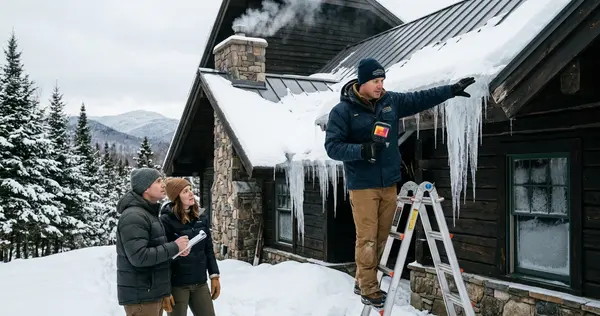
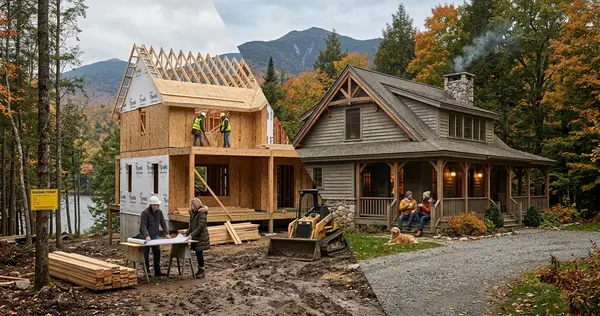
Year-round versus seasonal. Many Adirondack homes were originally built as seasonal camps or vacation cottages. As you evaluate properties, pay close attention to whether a home has been winterized and upgraded for four-season habitation. Heating systems, insulation, road access in winter, and plumbing designed for cold temperatures are all critical factors that don't always make the listing headline.
The market rewards patience. Because inventory turns slowly, buyers who enter the market with a clear picture of what they want — and the financial flexibility to wait — typically fare better than those who feel pressured to act quickly. Working with a local agent who has deep market knowledge is not just helpful here; it's essential.
Key Home Buying Tips for Adirondack Retirees
If you're seriously considering a move to the region, the following home buying tips are tailored specifically to the realities of purchasing property in the Adirondack Park.
1. Understand What You're Buying — Legally and Physically
Properties in the Adirondack Park are subject to land use classifications that affect what you can and cannot do with them. Whether your land is classified as Hamlet, Moderate Intensity Use, Low Intensity Use, or Resource Management has real implications for renovation, expansion, and shoreline activity. Before making an offer, review the property's classification through the Adirondack Park Agency's land use map, and make sure your plans for the property are permitted.
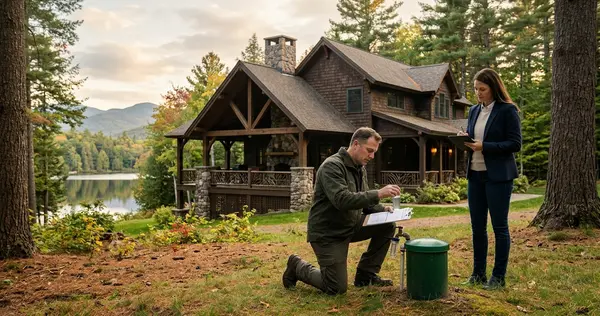
Equally important: get a thorough inspection that includes well and septic systems, which are common in rural areas and are the homeowner's full responsibility to maintain. A property that looks turnkey may have infrastructure approaching the end of its useful life. The Consumer Financial Protection Bureau's homebuying guide is a useful reference for understanding inspection contingencies and what to watch for in any property purchase.
2. Factor in the True Cost of Year-Round Mountain Living
Property taxes in New York State are a reality worth modeling carefully. While many Adirondack communities have lower tax rates than suburban New York markets, heating costs, property maintenance, and the occasional cost of accessing services that are simply farther away than you're used to add up. The New York State Department of Taxation and Finance offers resources for understanding STAR exemptions and senior citizen property tax relief programs, which can meaningfully offset costs for qualifying retirees.
3. Think About Accessibility Now and Over Time
One of the most important home buying tips for retirees that often gets skipped in the excitement of a beautiful property: think about how this home will work for you physically over the next 20 years. Single-story layouts, wider doorways, step-free entrances, and proximity to medical facilities are worth weighing alongside the view. Adirondack Health — the region's primary hospital system, serving communities from Saranac Lake to Lake Placid — provides a valuable local anchor for day-to-day care needs. For more specialized treatment, the closest major medical centers are the University of Vermont Medical Center in Burlington, Vermont, or Glens Falls Hospital to the south. Understanding your medical needs and the proximity of care is responsible retirement planning.
4. Get Pre-Approved and Be Ready to Move
Given the limited inventory and competitive nature of well-priced Adirondack properties, being financially prepared before you begin seriously looking is non-negotiable. Work with a lender to get pre-approved — not just pre-qualified — before touring homes. When the right property comes to market, your ability to make a clean offer can be the deciding factor. Contact the Tina Leonard Real Estate team and we can connect you with trusted local lenders who understand the nuances of this market.
5. Rent Before You Commit
If you're considering a full-time Adirondack retirement but haven't spent significant time here through all four seasons, renting for six to twelve months before purchasing is genuinely sound investment advice. The community you fall in love with in July may feel very different in February. That's not a deterrent — many people who try a winter in the Adirondacks find they love it — but it's worth confirming that the pace and the climate match what you've imagined.
Financial Considerations and Retirement Planning
Beyond the property itself, retiring in the Adirondacks has broader financial implications worth thinking through with your retirement planner or financial advisor.
New York State income taxes. New York taxes most forms of retirement income, including IRA withdrawals and 401(k) distributions, though Social Security benefits are not taxed at the state level. There are also partial exemptions for pension income up to $20,000 for those over 59½. The New York State Department of Taxation and Finance has detailed guidance on senior-specific provisions, including enhanced STAR and senior exemption programs. The IRS retirement plans portal is also a useful resource for understanding the federal tax treatment of your various income sources in retirement.
Investment potential. Owning Adirondack real estate isn't just about lifestyle — market trends suggest it can be a sound long-term asset. The structural supply constraints discussed above, combined with sustained demand from lifestyle buyers and retirees, have historically supported property values here even during periods of broader market softening. AARP's retirement planning resources offer helpful frameworks for thinking about real estate as part of a diversified retirement portfolio. Some retirees offset carrying costs by renting their property during peak tourist seasons, creating a meaningful income stream. If this is part of your model, consult with a local property manager and a tax advisor to structure it properly.
Estate planning implications. For retirees thinking about generational wealth transfer, Adirondack real estate — particularly waterfront or historically significant properties — can be a valuable component of an estate. Working with an estate attorney familiar with New York law is advisable when structuring ownership.
The Lifestyle Question: What Living Here Is Really Like
No amount of investment advice or home buying tips replaces an honest conversation about what day-to-day life in the Adirondacks actually involves.
The communities here are small. Lake Placid's year-round population hovers around 2,500 people. Keene Valley is smaller still. This means you will know your neighbors — and they will know you — in ways that suburban life rarely facilitates. For many retirees, this is deeply appealing. For others, the shift from anonymity to community requires adjustment.
Services that city dwellers take for granted are farther away. A wider variety of restaurants, specialty medical care, major airports, cultural institutions — all of these require a drive. Lake Placid's Olympic-caliber sports facilities, its Mirror Lake, The Wild Center in Tupper Lake, the Lake Placid Center for the Arts, and the broader Adirondack events calendar provide genuine richness, but it is a different richness than urban or suburban life offers.
Internet access, while improving significantly in recent years, is still variable depending on exactly where you locate. If remote work or robust connectivity remains important to you, confirming actual service at a specific address — not just the general area — is worth doing before you close.
What the Adirondacks offer in return is something harder to quantify: a relationship with the natural world that becomes genuinely woven into daily life. The hiking trails aren't a weekend novelty — they're where you go on a Tuesday afternoon. The lake isn't a vacation backdrop — it's where you kayak in September with the foliage reflecting on the water. For retirees who want that kind of life, the Adirondacks deliver it in a way that few places in the eastern United States can match.
Is It the Right Move for You?
Retiring in the Adirondacks is not the right choice for everyone — and that's precisely what makes it the right choice for some. If you are drawn to a life lived closer to nature, in a genuine community, with real winters and spectacular summers, in a real estate market with sound long-term fundamentals and supply-side protections that few regions can offer, then this move deserves serious consideration.
The key is doing it thoughtfully. Understanding the market trends, working with professionals who know the region, approaching the process with realistic home buying tips rather than just wishful thinking, and applying sound investment advice to one of the most significant financial decisions of your retirement — these are the things that separate a great outcome from a costly mistake.
Ready to Explore What's Possible?
Whether you're just beginning to think about retiring in the Adirondacks or you're ready to start actively looking, Tina Leonard Real Estate is here to help you navigate every step of the process. With deep roots in the Lake Placid, Keene Valley, and Whiteface/Wilmington communities, our team brings the kind of local knowledge and personal attention that a decision this important deserves.
Here's how to take your next step:
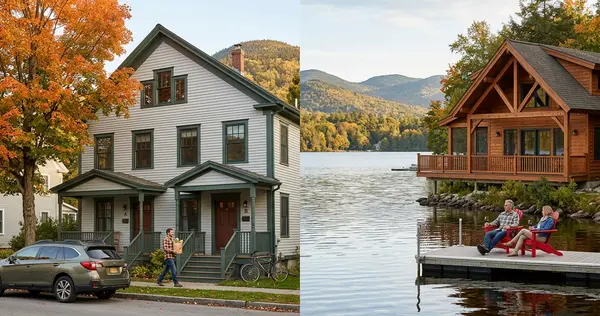
- Browse our current listings to see what's available across the Adirondack region right now — from lakefront camps to year-round village homes.
- Schedule a personalized consultation. Whether you're months away from making a move or just starting to ask the right questions, a conversation costs nothing and often clarifies everything.
The Adirondacks are waiting. Let's find out if they're waiting for you.
All market information referenced in this post reflects publicly available data and regional trends. Readers are encouraged to consult with a licensed real estate professional, financial advisor, and tax attorney before making any real estate or investment decisions.
Categories
Recent Posts




OUR MISSION
We're proud to be part of the following global networks of distinguished brokerage companies: