The Unexpected Habits People Develop After Moving to the Adirondacks

The Unexpected Habits People Develop After Moving to the Adirondacks
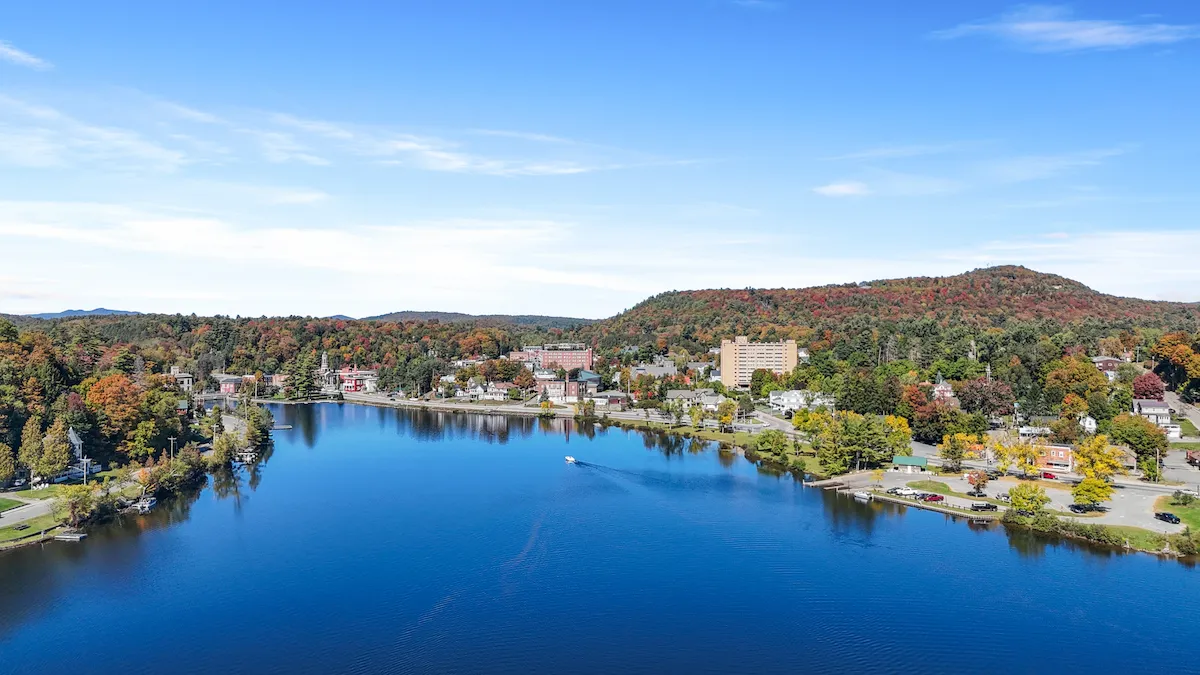
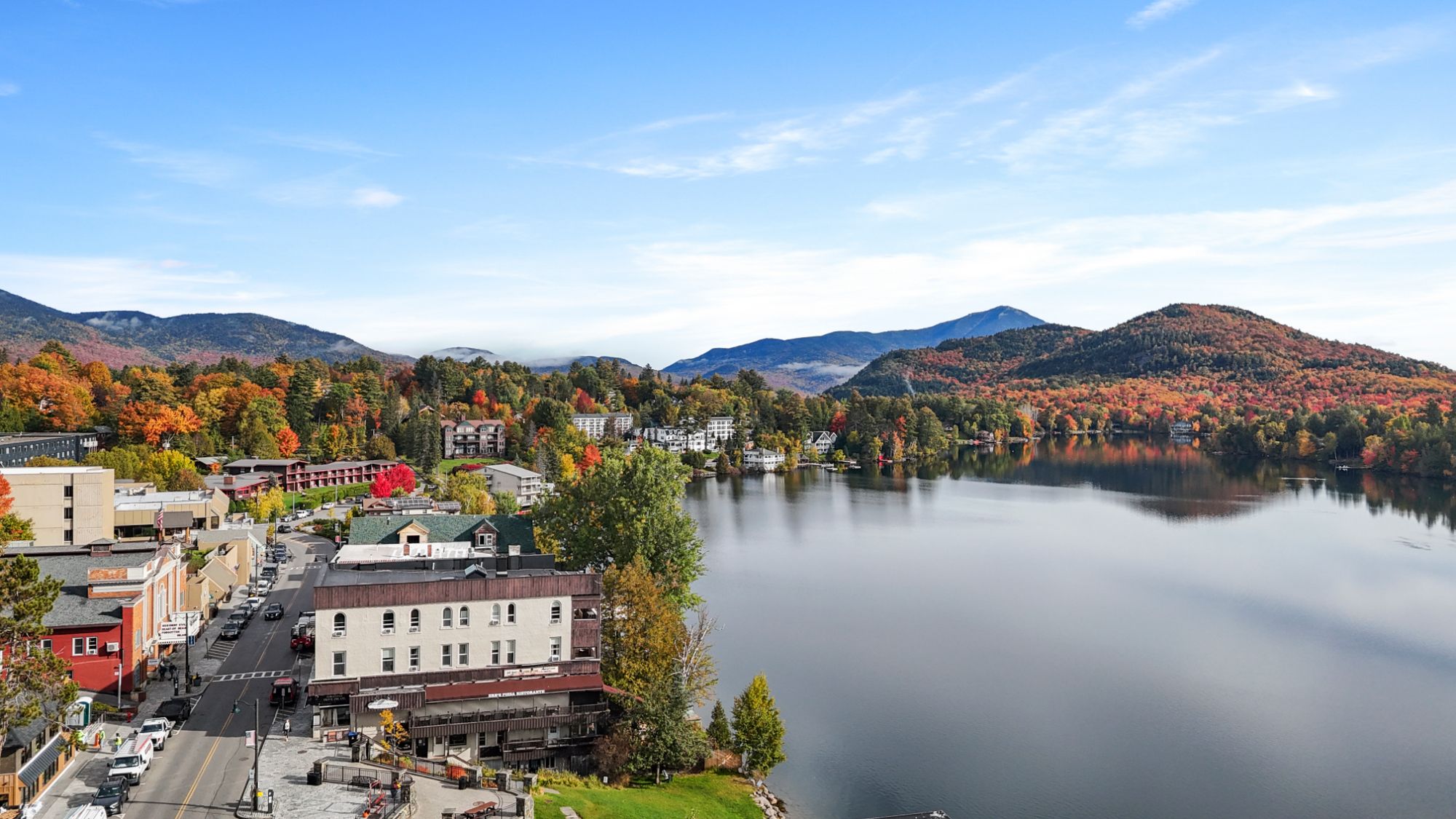
What habits do people develop after moving to the Adirondacks? New Adirondack residents quickly become obsessive weather-checkers, year-round gear haulers, and seasonal planners, habits shaped by mountain living in communities like Lake Placid, Saranac Lake, and Keene Valley.
Ask anyone who relocated to the Adirondack Park what changed after the boxes were unpacked, and they rarely mention the house first. They mention themselves. Something about living inside six million acres of protected forest, lakes, and High Peaks rewires your daily routines in ways no relocation checklist warns you about.
If you're researching a move to the Adirondacks, whether you're a remote worker eyeing Saranac Lake, a retiree drawn to Keene, or an investor watching regional market trends, understanding how life actually operates here is one of the most practical home buying tips we can offer. The habits below aren't quirks. They're clues about what to look for in a property.
1. You Check the Mountain Forecast Before You Check Your Phone
Downstate, weather is small talk. Up here, it's logistics. New residents develop a near-religious habit of checking the National Weather Service forecast, often for two or three microclimates at once, because conditions in Wilmington's Ausable Valley can differ dramatically from the summit forecast ten minutes away.
Within a year, you'll be the person who knows the difference between a lake-effect band and an Alberta clipper, and you'll plan grocery runs around both.
What this means for buyers: Ask how a property handles weather, not just how it looks in July. Snow load on the roof, plowing arrangements for the driveway, and whether the road is maintained year-round by the town are questions that matter far more here than in most markets.
2. Your Vehicle Becomes a Rolling Gear Closet
Snowshoes in November. Microspikes through April. A swimsuit and a headlamp from May onward, sometimes on the same day. Adirondackers stop unpacking the car because the next adventure is always twenty minutes away, whether it's a paddle on Lake Flower or a backcountry drive through the The Cascade Lakes.
What this means for buyers: Storage stops being a luxury line item. Mudrooms, heated garages, gear sheds, and covered entries earn their keep every single week. When you tour homes in Lake Placid or Tupper Lake, look past the staging and count the places wet boots can live.
3. You Plan Your Life Around Seasons That Don't Appear on a Calendar
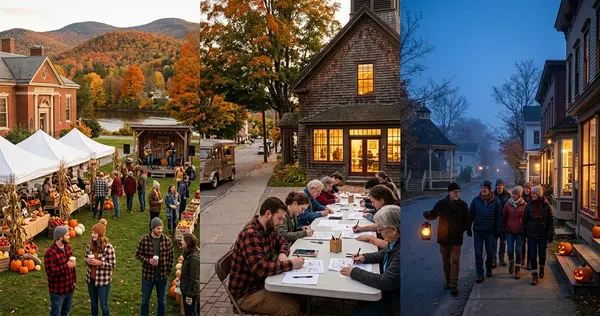
The Adirondacks run on unofficial seasons: mud season, blackfly season, leaf-peeper season, ice-out, and the blissfully quiet stretch locals call "shoulder season." Newcomers learn quickly that dinner reservations in Lake Placid work differently during Ironman weekend, and that late October might be the most beautiful, and least crowded, time of the entire year. Regional event calendars like Visit Adirondacks become as essential as any weather app.
What this means for buyers and investors: Seasonality shapes everything from contractor availability to showing traffic. Historically, inventory in Essex and Franklin counties peaks in late spring and summer, while serious buyers who shop in the off-season often face less competition. If you're weighing investment advice for the region, understanding these rhythms is step one.
4. You Wave. At Everyone.
The two-finger steering-wheel wave is not optional here, it's infrastructure. Small hamlets like Jay, Bloomingdale, and Keene Valley operate on familiarity: the person plowing your driveway may also coach the rec league and sit next to you at the diner. New residents are often surprised by how quickly community forms, and how much daily life depends on those relationships.
What this means for buyers: Talk to neighbors during your home search. In small Adirondack communities, they're your best source of truth on road conditions, well and septic history, and which local tradespeople actually return phone calls.
5. You Develop Strong Opinions About Firewood
Give it one winter. You'll have a preferred hardwood, a stacking method you defend at dinner parties, and a delivery guy you tip well. Wood and pellet stoves aren't nostalgia in the Adirondacks, they're practical supplemental heat in a region where winter is a five-month commitment.
What this means for buyers: Heating systems deserve as much scrutiny as kitchens. Ask about fuel type, annual heating costs, insulation upgrades, and backup heat sources. A well-designed heating strategy is one of the most overlooked home buying tips for four-season mountain living, and one of the biggest drivers of long-term ownership costs.
6. You Start Reading Real Estate Listings for Fun
Here's the habit nobody expects: after moving to the Adirondacks, people become amateur market analysts. Maybe it's because inventory inside the Blue Line is permanently limited, the Adirondack Park's public-private land mix, overseen in part by the Adirondack Park Agency, means new construction can't simply sprawl the way it does elsewhere. Scarcity makes every new listing interesting.
That constrained supply is also why regional market trends here often behave differently from national headlines. While the National Association of REALTORS® tracks broad shifts in inventory and buyer demand, Adirondack hamlets frequently run on their own clock: fewer listings, longer hold times, and properties that stay in families for generations.
What this means for investors: Limited developable land tends to support long-term value, but it also demands patience and diligence. Watch financing conditions through sources like Freddie Mac's weekly mortgage rate survey, study price history hamlet by hamlet rather than region-wide, and treat every parcel's land-use classification as due diligence item number one. Sound investment advice in the Adirondacks always starts with understanding what a property can and cannot become.
Turning These Habits Into a Smarter Home Search
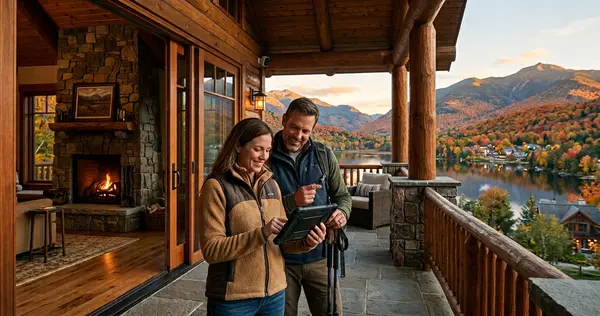
If there's a common thread, it's this: the Adirondacks reward buyers who think in four seasons. The homes that make people happiest here aren't always the most photogenic in August, they're the ones with the sane driveway in February, the mudroom that swallows wet gear, the heating bill that doesn't induce panic, and the location that keeps you close to the trailheads, lakes, and main streets you moved here for.
Before you write an offer anywhere from Peru to Tupper Lake, pressure-test the property against the habits above. Would you be comfortable checking that weather forecast from this house in mid-January? That's the real inspection.
Frequently Asked Questions
What should I know before moving to the Adirondacks?
Plan for true four-season living: reliable heat, winter-ready vehicles, and a property with year-round road access. Housing inventory inside the Adirondack Park is limited, so give yourself a longer search timeline and work with a local brokerage that knows individual hamlets.
Is the Adirondacks a good place to buy an investment property?
The region's constrained supply and steady demand for four-season recreation have historically supported long-term values, but every hamlet behaves differently. Verify land-use classifications, seasonal access, and local regulations before purchasing, and evaluate each property on its specific fundamentals.
When is the best time to buy a home in the Adirondacks?
Inventory typically peaks from late spring through summer, but off-season buyers often face less competition and more negotiating room. The best time is when the right property appears, which, in a low-inventory market, argues for being prepared year-round.
Ready to Pick Up a Few New Habits of Your Own?
The best way to understand Adirondack living is to start looking at it through a local lens. Browse current listings across Lake Placid, Saranac Lake, Wilmington, Keene, and the surrounding hamlets at Tina Leonard Real Estate, or reach out for personalized guidance on relocating, buying, or investing in the Adirondack Park.
Have questions about a specific town or property? Call Tina Leonard Real Estate at 518-524-3273, and start planning the move that changes your habits for the better.
Categories
Recent Posts



OUR MISSION
We're proud to be part of the following global networks of distinguished brokerage companies: